Previous Spaceflight Launches

Filter by Agency, Locations or Vehicles

Show All Launches
Full Launch History

View all launches available - including launches from the past and utilize powerful search filters.

Falcon 9 Block 5 | Starlink Group 17-46

SpaceX | United States of America
Vandenberg SFB, CA, USA
July 2, 2026, 2:58 a.m.
Status: Launch Successful
Mission:

A batch of 24 satellites for the Starlink mega-constellation - SpaceX's project for space-based Internet communication system.

Low Earth Orbit B1100 - Flight Proven ( ) Of Course I Still Love You
Explore Share

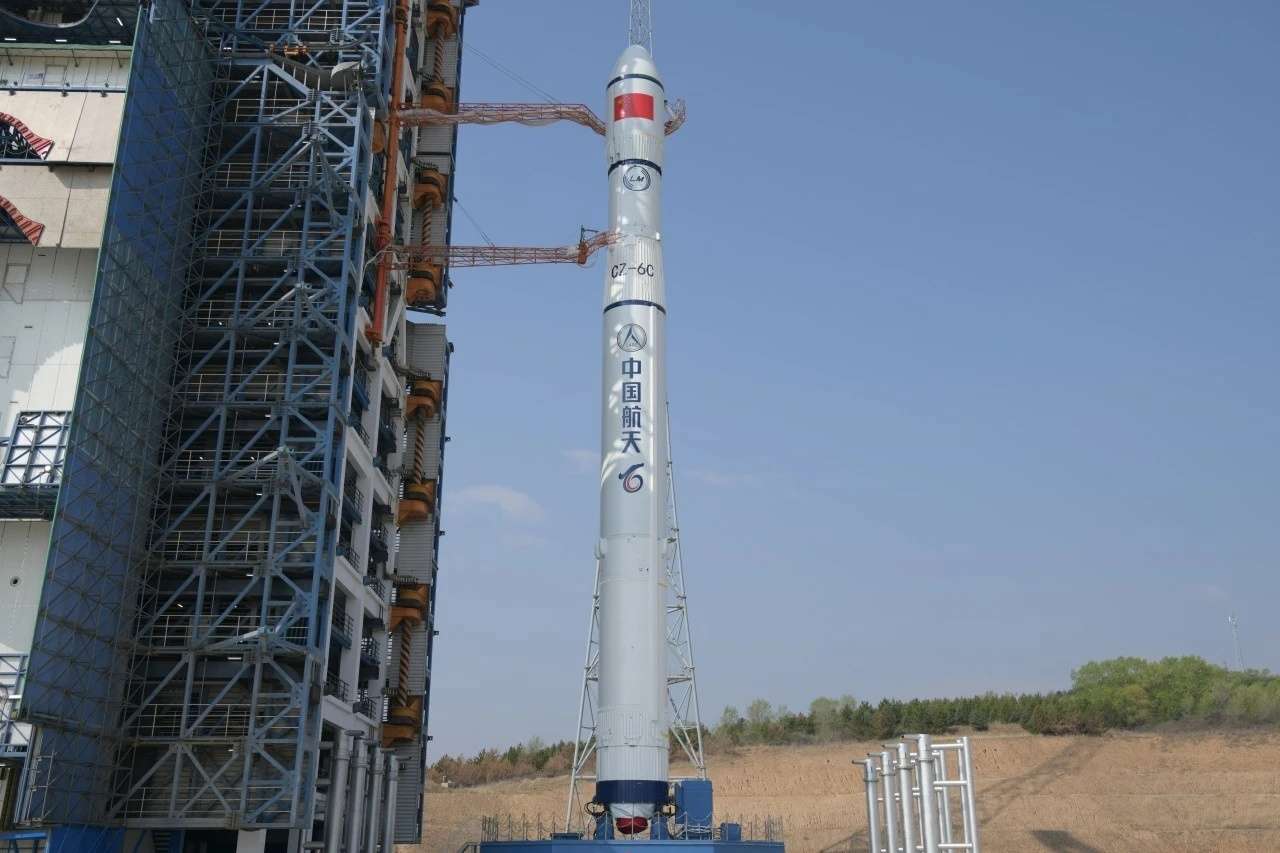
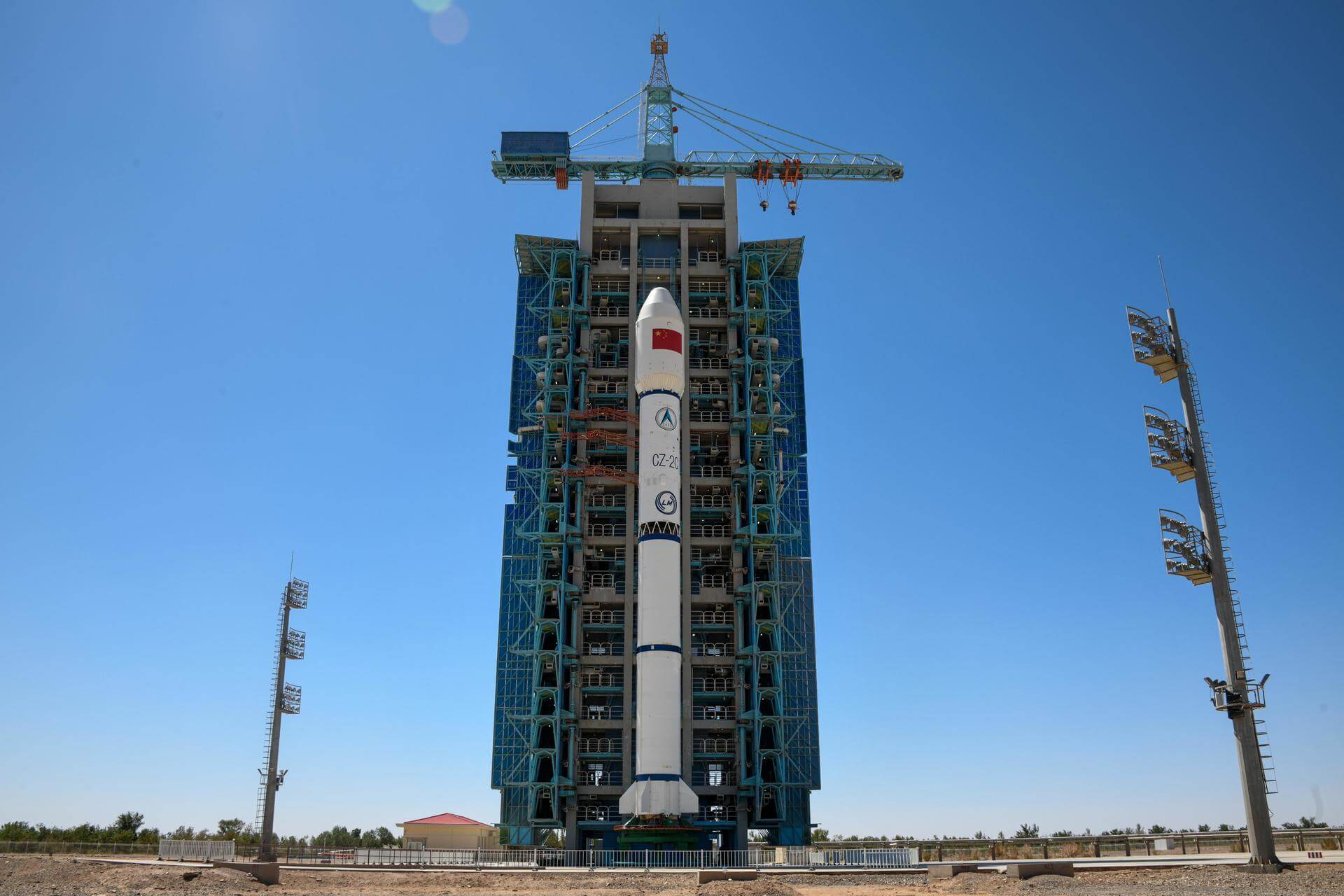
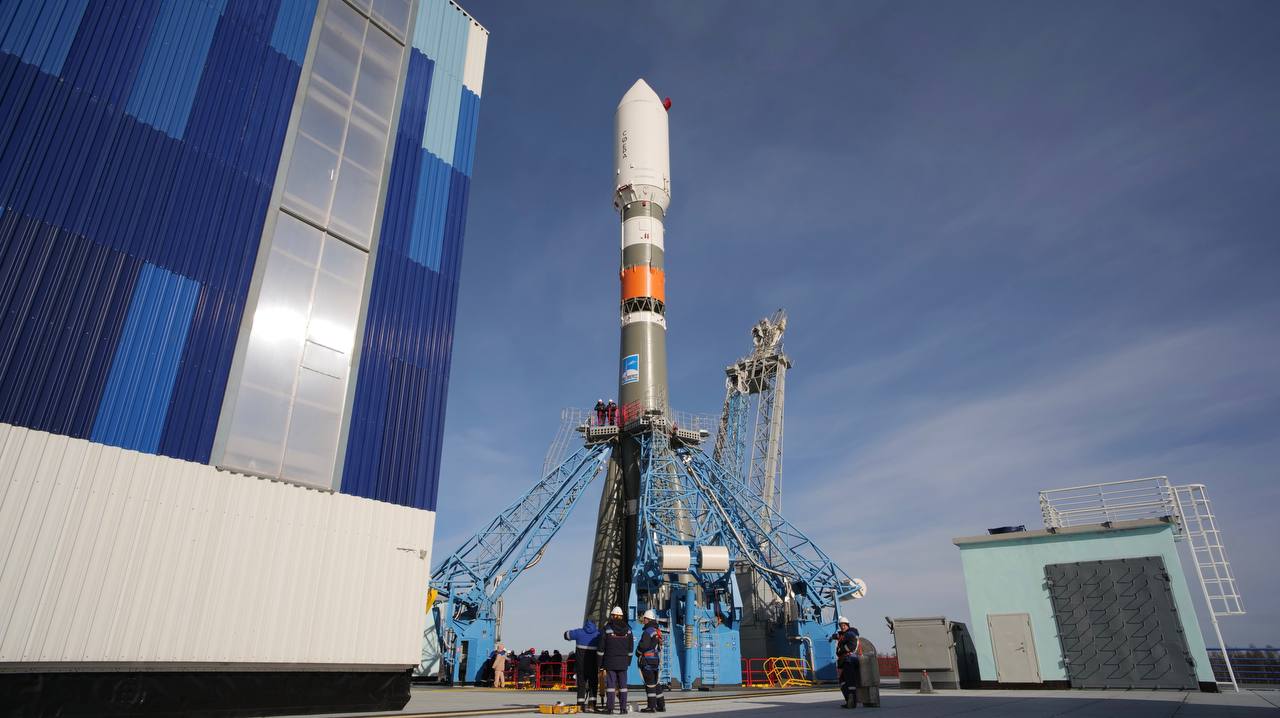
Long March 4B | Haiyang 2E

China Aerospace Science and Technology Corporation | China
Jiuquan Satellite Launch Center, People's Republic of China
July 1, 2026, 11:46 p.m.
Status: Launch Successful
Mission:

Haiyang 2E (Chinese: "Ocean"), abbreviated HY-2E, is a marine remote sensing satellite of China. The HY-2 series' primary objective is to measure ocean dynamic and regional environmental trends in the microwave spectral range, plus measurements of parameters such as marine wind vector, marine surface heat and Sea Surface Temperature (SST). These ocean dynamics real-time data aid aero-marine forecasts for the prevention of, and relief in the event of, natural disasters. Instruments carried include: * Microwave Radiometer Imager (MWRI) * Radar Altimeter (RA) * Ku-band Rotational Fan-beam Scatterometer (SCAT)

Sun-Synchronous Orbit
Explore Share

Falcon 9 Block 5 | Sirius SXM-11

SpaceX | United States of America
Cape Canaveral SFS, FL, USA
June 29, 2026, 2:25 a.m.
Status: Launch Successful
Mission:

SXM-11 is the 12th high-powered, digital, audio radio satellite built by Lanteris Space (ex-Maxar, Space System/Loral) for SiriusXM. The SXM-11 satellite will be based on the proven IM-1300 (ex-LS-1300)-class platform and built at the company’s manufacturing facility in Palo Alto, California. SXM-11 has a large, mesh, unfurlable reflector almost 10 meters in diameter that allows SiriusXM programming to reach its radios, including those in moving vehicles.

Geostationary Transfer Orbit B1085 - Flight Proven ( ) A Shortfall of Gravitas
Explore Share

Falcon 9 Block 5 | Starlink Group 17-40

SpaceX | United States of America
Vandenberg SFB, CA, USA
June 28, 2026, 4:09 p.m.
Status: Launch Successful
Mission:

A batch of 24 satellites for the Starlink mega-constellation - SpaceX's project for space-based Internet communication system.

Low Earth Orbit B1088 - Flight Proven ( ) Of Course I Still Love You
Explore Share

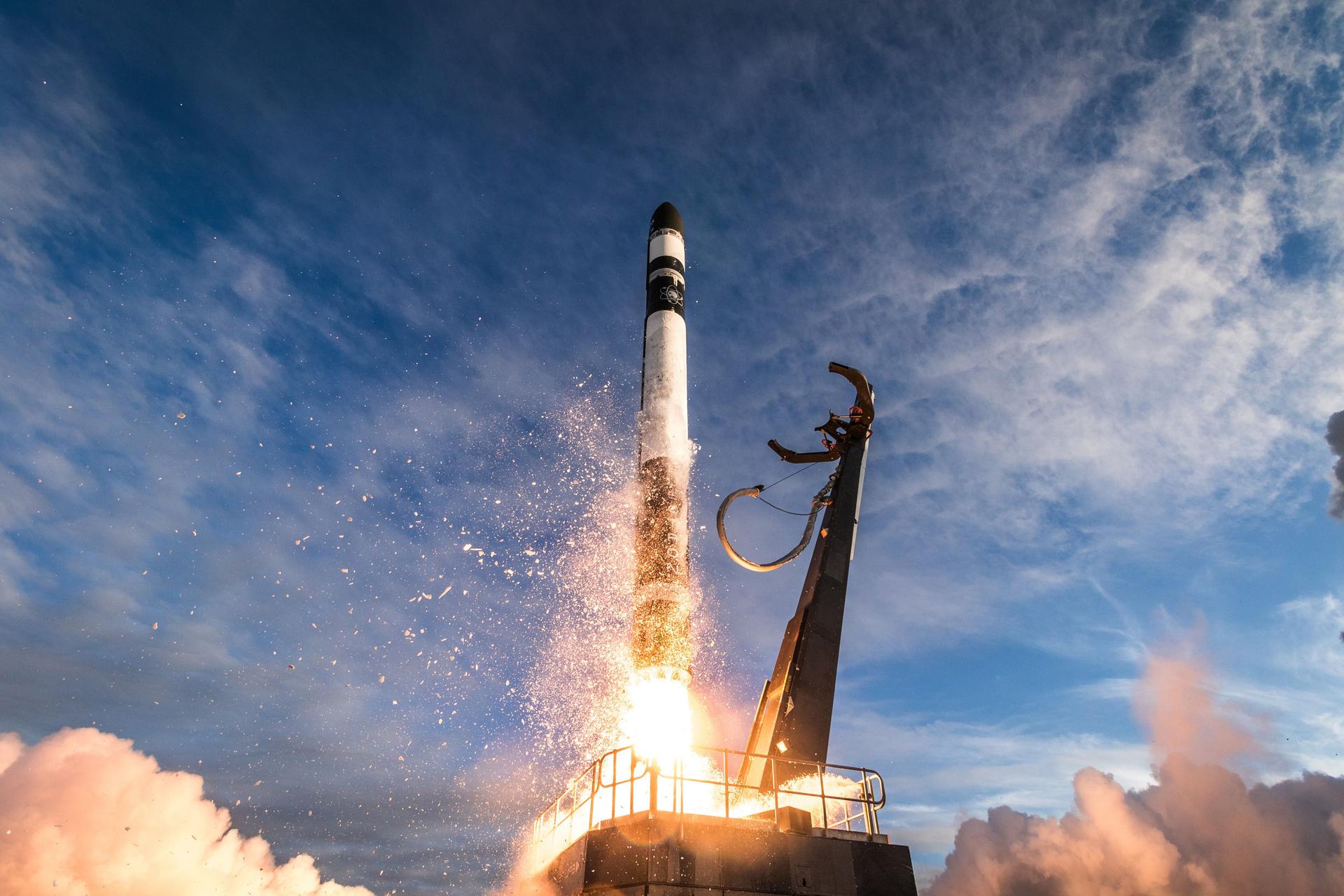
Electron | Ten Owl Of Ten (StriX Launch 10)

Rocket Lab | United States of America
Rocket Lab Launch Complex 1, Mahia Peninsula, New Zealand
June 26, 2026, 5:43 p.m.
Status: Launch Successful
Mission:

Synthetic aperture radar satellite for Japanese Earth imaging company Synspective.

Low Earth Orbit
Explore Share

Falcon 9 Block 5 | Starlink Group 17-45

SpaceX | United States of America
Vandenberg SFB, CA, USA
June 25, 2026, 3:30 a.m.
Status: Launch Successful
Mission:

A batch of 24 satellites for the Starlink mega-constellation - SpaceX's project for space-based Internet communication system.

Low Earth Orbit B1081 - Flight Proven ( ) Of Course I Still Love You
Explore Share

Falcon 9 Block 5 | Project Starfall Demonstration Mission

SpaceX | United States of America
Cape Canaveral SFS, FL, USA
June 23, 2026, 10:53 a.m.
Status: Launch Successful
Mission:

Note: Mission profile and payload details are TBD. Demonstration mission for SpaceX’s Project Starfall, which aims to mass-produce reentry capsules designed to autonomously transport valuable customer experiments and other payloads safely back from space to Earth, including for in-orbit manufacturing. Starfall is a cylindrical shaped capsule approximately 0.75 meters tall with a diameter of 3.1 meters, weighing approximately 2100 kilograms, and capable of carrying 1000 kilograms of payload. It is designed to be carried on Starship flights.

Low Earth Orbit B1078 - Flight Proven ( ) A Shortfall of Gravitas
Explore Share

Long March 7A | TJSW-26A

China Aerospace Science and Technology Corporation | China
Wenchang Space Launch Site, People's Republic of China

June 23, 2026, 2:10 a.m.
Status: Launch Successful
Mission:

Chinese classified satellite claimed to be for communication technology test purposes. Actual mission not known.

Geostationary Transfer Orbit
Explore Share

Falcon 9 Block 5 | Starlink Group 17-28

SpaceX | United States of America
Vandenberg SFB, CA, USA
June 21, 2026, 4:39 p.m.
Status: Launch Successful
Mission:

A batch of 24 satellites for the Starlink mega-constellation - SpaceX's project for space-based Internet communication system.

Low Earth Orbit B1063 - Flight Proven ( ) Of Course I Still Love You
Explore Share

Electron | VICTUS HAZE Puma

Rocket Lab | United States of America
Rocket Lab Launch Complex 1, Mahia Peninsula, New Zealand
June 19, 2026, 10:19 a.m.
Status: Launch Successful
Mission:

VICTUS HAZE will see Rocket Lab design, build, launch, and operate a rendezvous proximity operation (RPO) capable spacecraft. U.S. Space Force Space Systems Command (SSC)’s Space Safari’s VICTUS HAZE mission will be an exercise of a realistic threat-response scenario and on-orbit space domain awareness (SDA) demonstration. Once the spacecraft build is complete, Rocket Lab will be entered into a Hot Standby Phase awaiting further direction. Once the exercise begins, Rocket Lab will be given notice to launch the spacecraft into a target orbit. After reaching orbit, the spacecraft will be rapidly commissioned and readied for operations. Rocket Lab will configure a Pioneer class spacecraft bus to meet the unique requirements of the VICTUS HAZE mission. The mission will improve Tactically Responsive Space (TacRS) processes and timelines, demonstrating the ability to respond to on-orbit threats on very short timelines and validating techniques for space domain awareness (SDA) and on-orbit characterization. Rocket Lab’s constellation-class production capability and discriminating technical capabilities in the areas of in-space propulsion, precision attitude control, low latency communications, and autonomous operations are key enablers for this mission.

Low Earth Orbit
Explore Share