Previous Spaceflight Launches
Filter by Agency, Locations or Vehicles
Show All Launches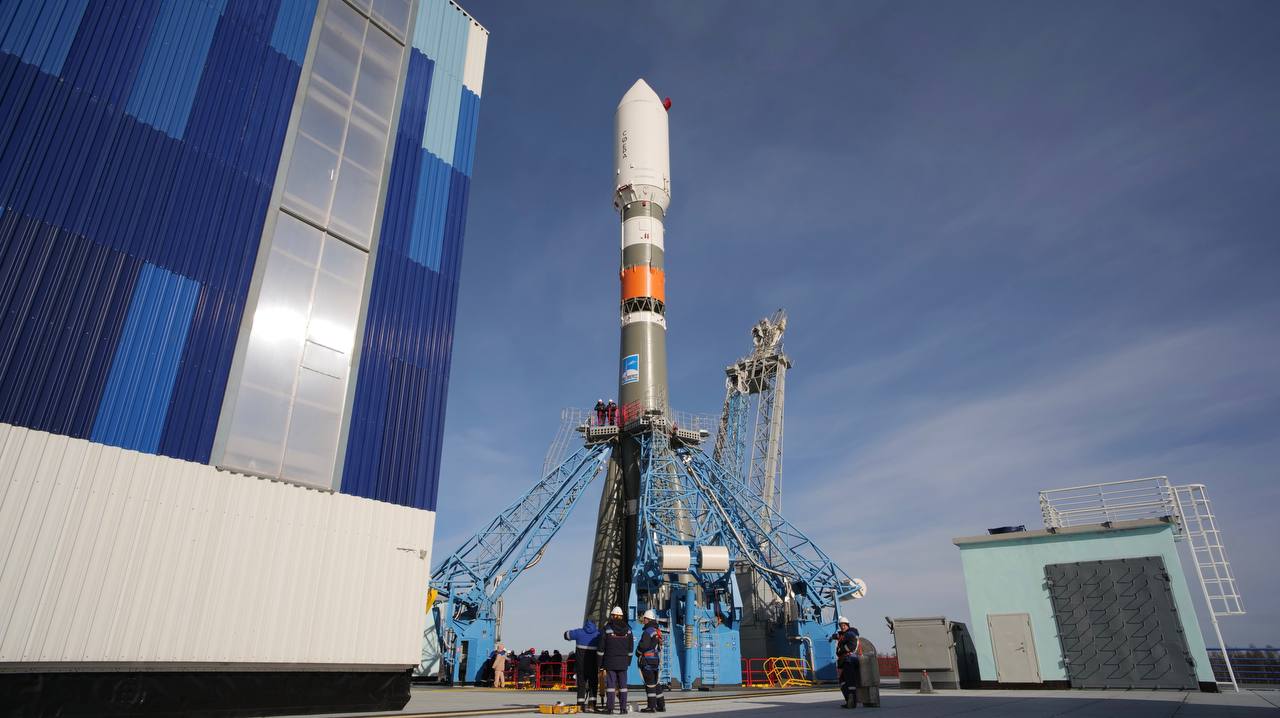
Soyuz 2.1b/Fregat | Glonass-K1 No. 20 (?)
Progress Rocket Space Center | RussiaPlesetsk Cosmodrome, Russian Federation
Status: Launch Successful
Mission:
Note: Satellite serial number and Cosmos designation not confirmed. Glonass-K are the third generation of satellite design for GLONASS satellite navigation system. GLONASS is a Russian space-based navigation system comparable to the similar GPS and Galileo systems. This generation improves on accuracy, power consumption and design life. Each satellite is unpressurized and weighs 935 kg, and has an operational lifetime of 10 years.
Medium Earth OrbitSoyuz 2.1b | Progress MS-35 (96P)
Progress Rocket Space Center | RussiaBaikonur Cosmodrome, Republic of Kazakhstan
Soyuz 2.1b/Fregat | Glonass-K1 No. 23 (Kosmos 2619)
Progress Rocket Space Center | RussiaPlesetsk Cosmodrome, Russian Federation
Status: Launch Successful
Mission:
Glonass-K are the third generation of satellite design for GLONASS satellite navigation system. GLONASS is a Russian space-based navigation system comparable to the similar GPS and Galileo systems. This generation improves on accuracy, power consumption and design life. Each satellite is unpressurized and weighs 935 kg, and has an operational lifetime of 10 years.
Medium Earth OrbitSoyuz 2.1b | 16 x Rassvet-3
Progress Rocket Space Center | RussiaPlesetsk Cosmodrome, Russian Federation
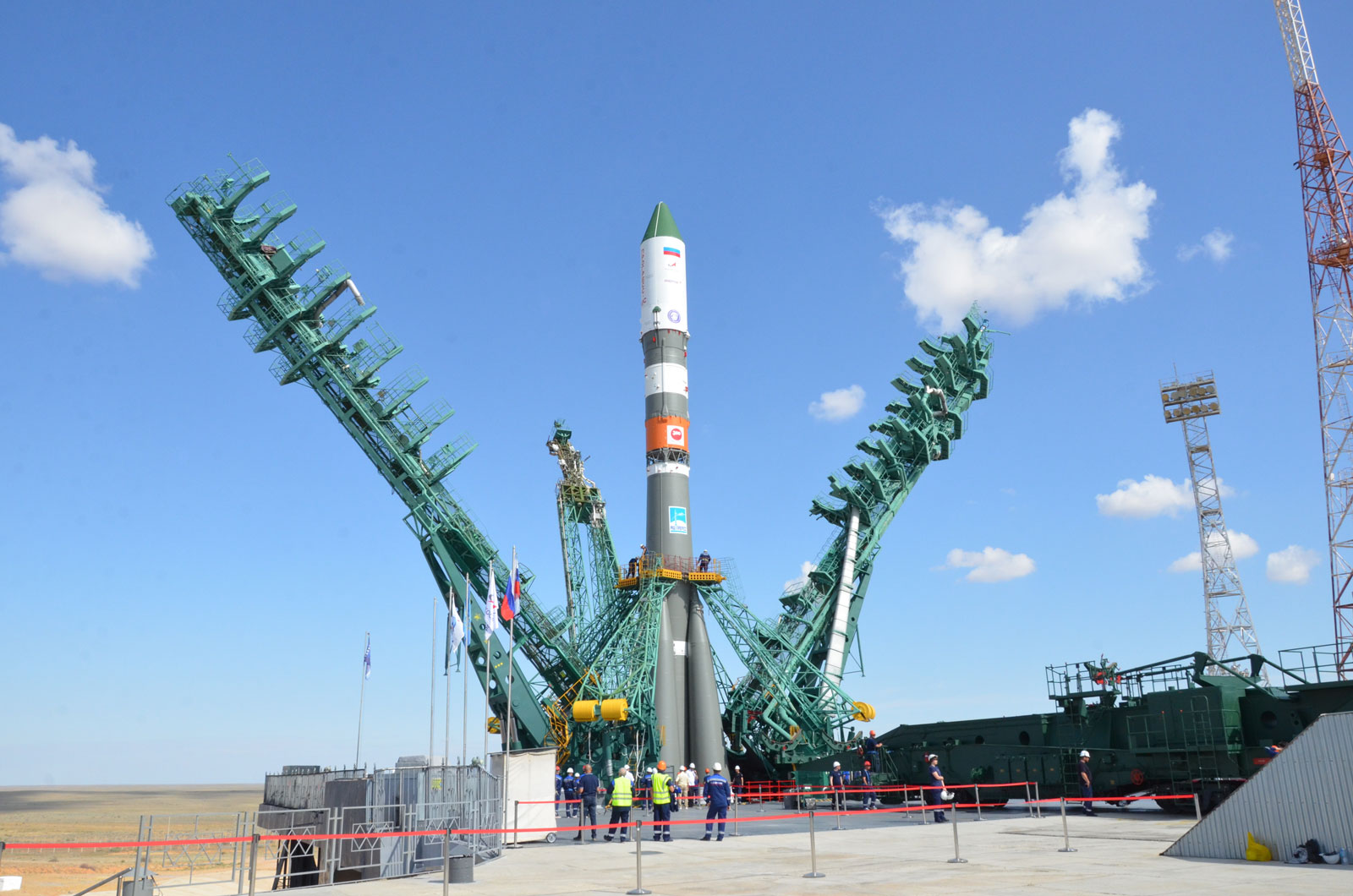
Soyuz 2.1a | Soyuz MS-29
Progress Rocket Space Center | RussiaBaikonur Cosmodrome, Republic of Kazakhstan
Status: Launch Successful
Mission:
Soyuz MS-29 will carry two cosmonauts and one astronaut to the International Space Station aboard the Soyuz spacecraft from the Baikonur Cosmodrome in Kazakhstan. The crew consists of Roscosmos cosmonauts Pyotr Dubrov and Anna Kikina, as well as NASA astronaut Anil Menon.
Low Earth Orbit
Soyuz-5 | Demo Flight
RKK Energiya | RussiaBaikonur Cosmodrome, Republic of Kazakhstan
Soyuz 2.1a | Progress MS-34 (95P)
Progress Rocket Space Center | RussiaBaikonur Cosmodrome, Republic of Kazakhstan

Soyuz 2.1b/Volga | Kosmos 2609-2614
Progress Rocket Space Center | RussiaPlesetsk Cosmodrome, Russian Federation
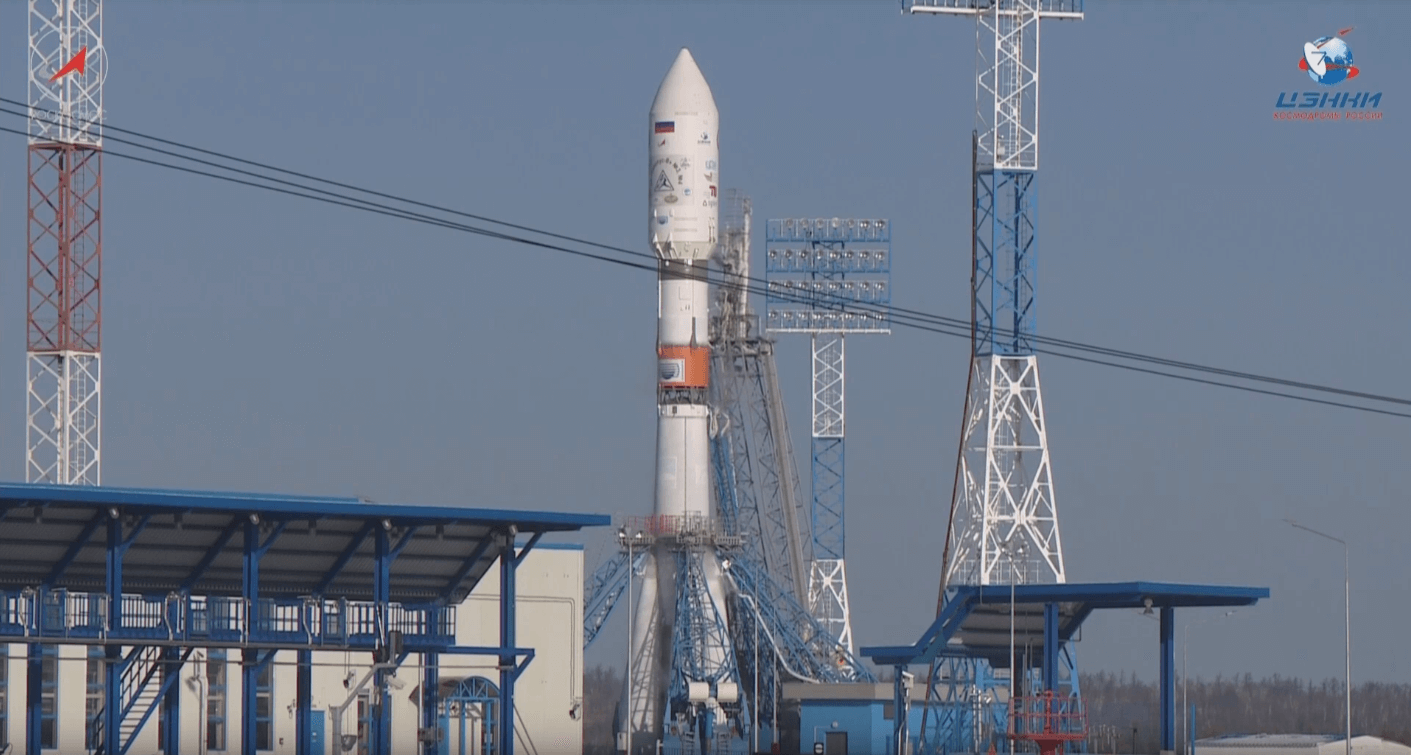
Soyuz 2.1a/Fregat-M | Meridian-M No.21L
Progress Rocket Space Center | RussiaPlesetsk Cosmodrome, Russian Federation
Soyuz 2.1b | 16 x Rassvet-3
Progress Rocket Space Center | RussiaPlesetsk Cosmodrome, Russian Federation