Previous Spaceflight Launches
Filter by Agency, Locations or Vehicles
Show All Launches
Starship | Starlink Group 31-1 (Starship Flight 14)
SpaceX | United States of AmericaSpaceX Starbase, TX, USA
Status: Go for Launch
Mission:
14th test flight of the two-stage Starship launch vehicle. 3rd flight of Starship V3 and the first Starship flight to deploy satellites (a group of Starlink satellites known as Starlink Group 31-1) into stable Low Earth Orbit. The ship is expected to fly at an altitude approximately 275 km above Earth and complete approximately 6 orbits around the planet for nearly 10 hours, with splashdown targeted in the Pacific Ocean west of Chile. The booster’s primary test objective on Flight 14 will be executing a successful launch, ascent, stage separation, boostback burn, and landing burn at an offshore landing point in the Gulf. Starship will deliver 26 Starlink V3 satellites to orbit for the first time, which aim to greatly expand the network's capacity and user speeds. Each Starlink V3 satellite will add 1 Tbps of capacity to the constellation.
Low Earth Orbit Booster 21 - Maiden Flight Gulf of Mexico
Falcon 9 Block 5 | USSF-385
SpaceX | United States of AmericaVandenberg SFB, CA, USA
Status: Launch Successful
Mission:
A classified mission for the United States Space Force. It is possibly a batch of classified LEO satellites based on SpaceX’s Starshield satellite bus, based on locations of rocket stage drop zones being exact fits with previous Starlink Group 15 launches.
Low Earth Orbit B1100 - Flight Proven ( ) Of Course I Still Love You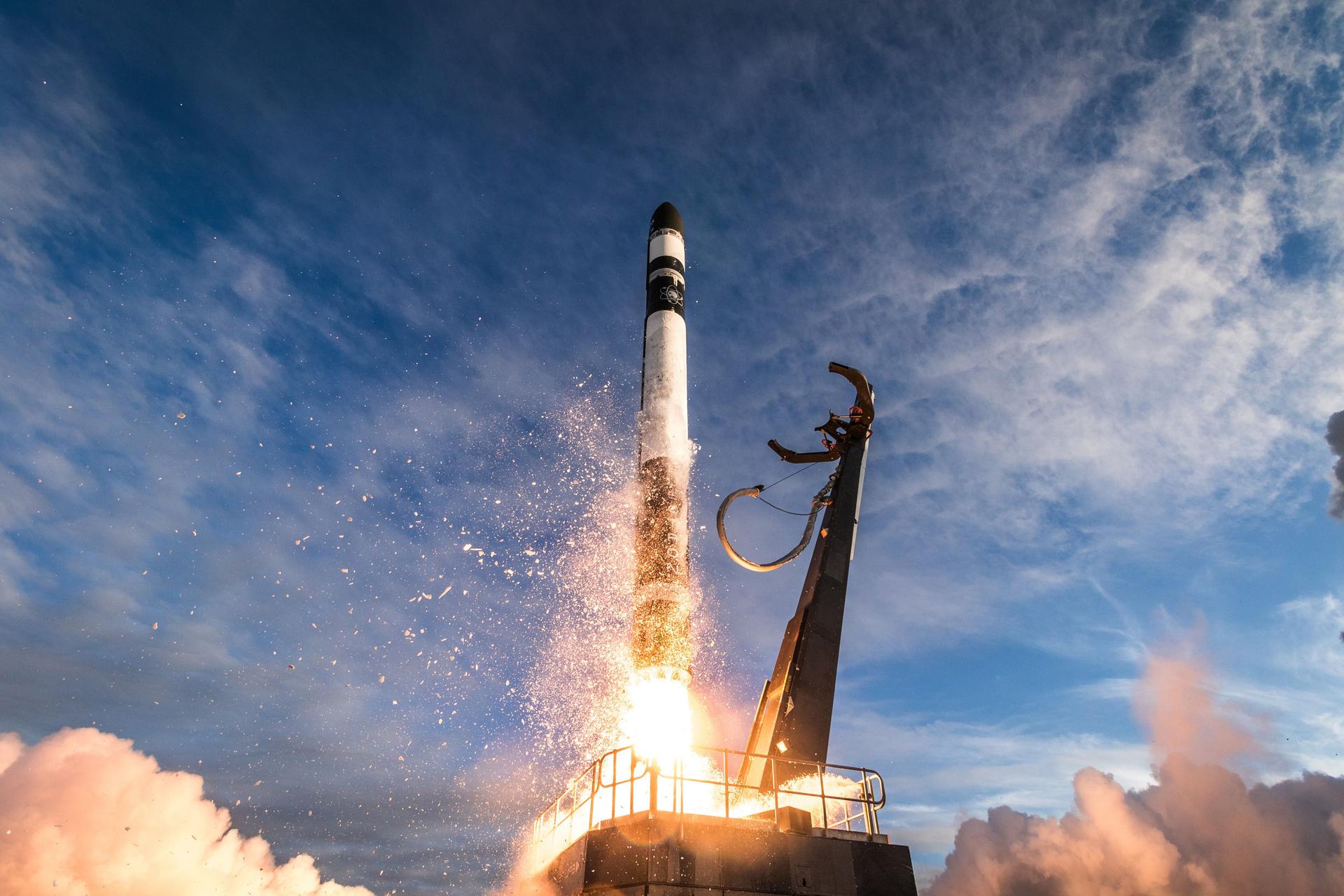
Electron | Owlright, Owlright, Owlright (StriX Launch 13)
Rocket Lab | United States of AmericaRocket Lab Launch Complex 1, Mahia Peninsula, New Zealand

Long March 6A | Yaogan 40 Group 04
China Aerospace Science and Technology Corporation | ChinaTaiyuan Satellite Launch Center, People's Republic of China

Long March 8A | SatNet LEO Group 26
China Aerospace Science and Technology Corporation | ChinaWenchang Space Launch Site, People's Republic of China
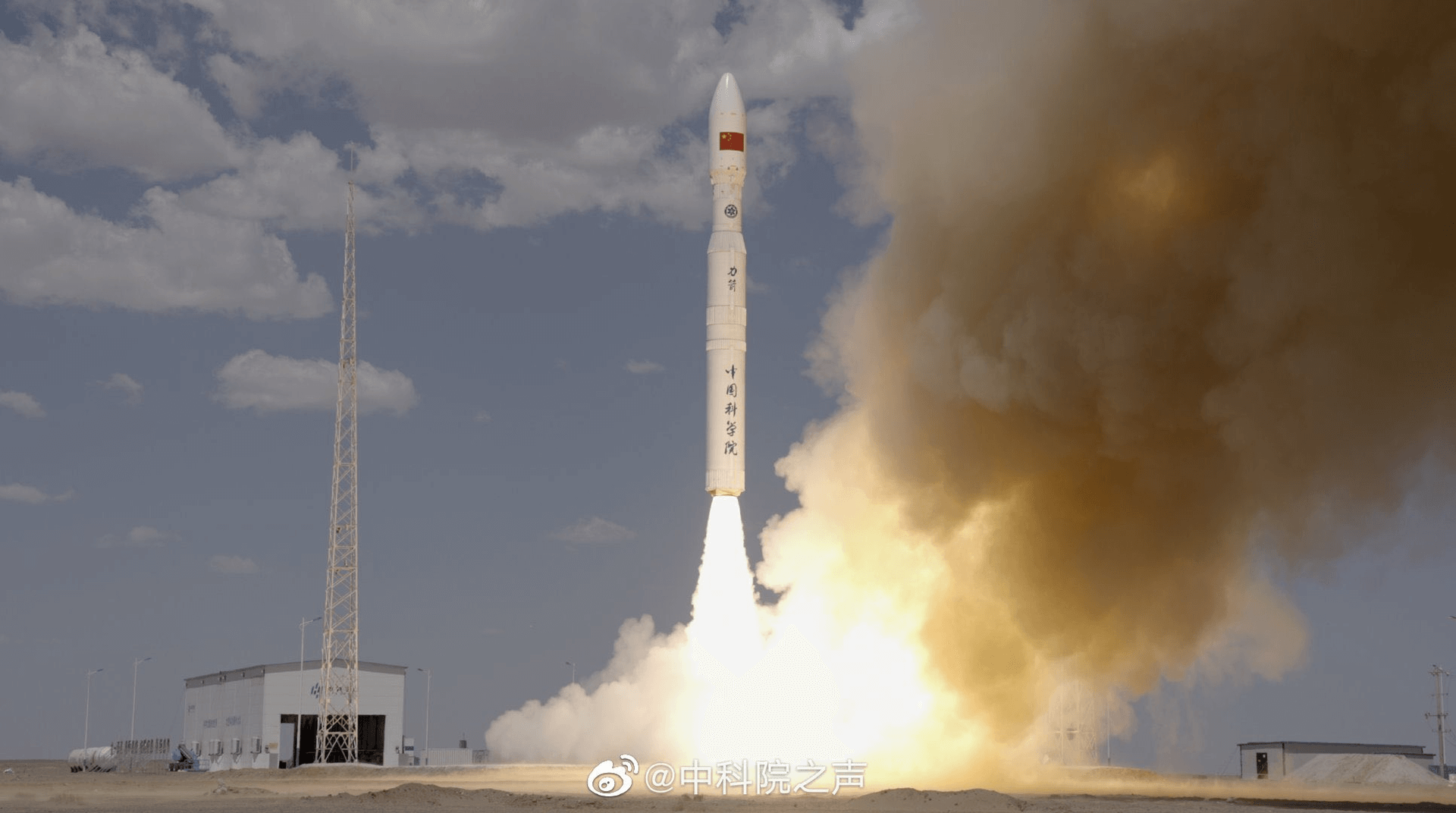
Kinetica 1 | 9 satellites
CAS Space | ChinaJiuquan Satellite Launch Center, People's Republic of China
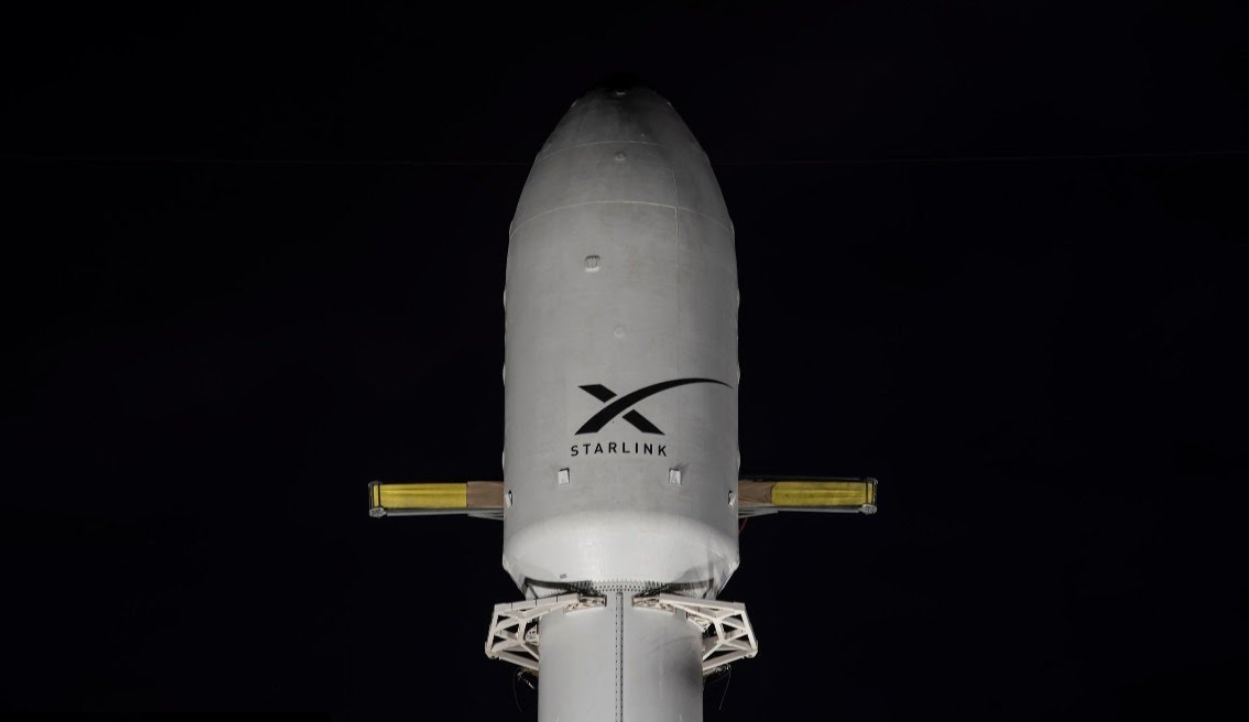
Falcon 9 Block 5 | Starlink Group 15-27
SpaceX | United States of AmericaVandenberg SFB, CA, USA
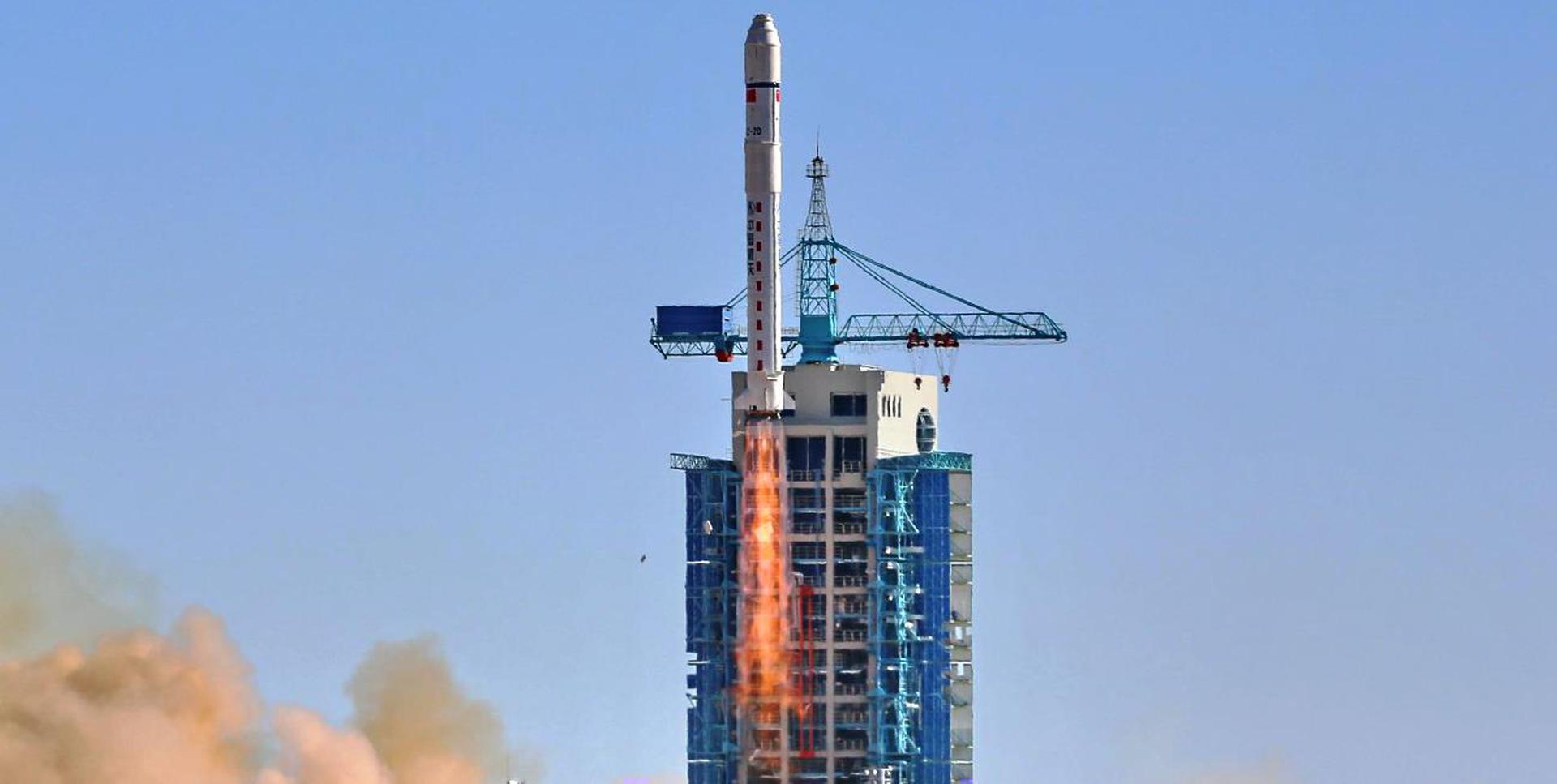
Long March 2D | PIESAT-2 13-16
China Aerospace Science and Technology Corporation | ChinaTaiyuan Satellite Launch Center, People's Republic of China
Electron | Owl By The Dozen (StriX Launch 12)
Rocket Lab | United States of AmericaRocket Lab Launch Complex 1, Mahia Peninsula, New Zealand
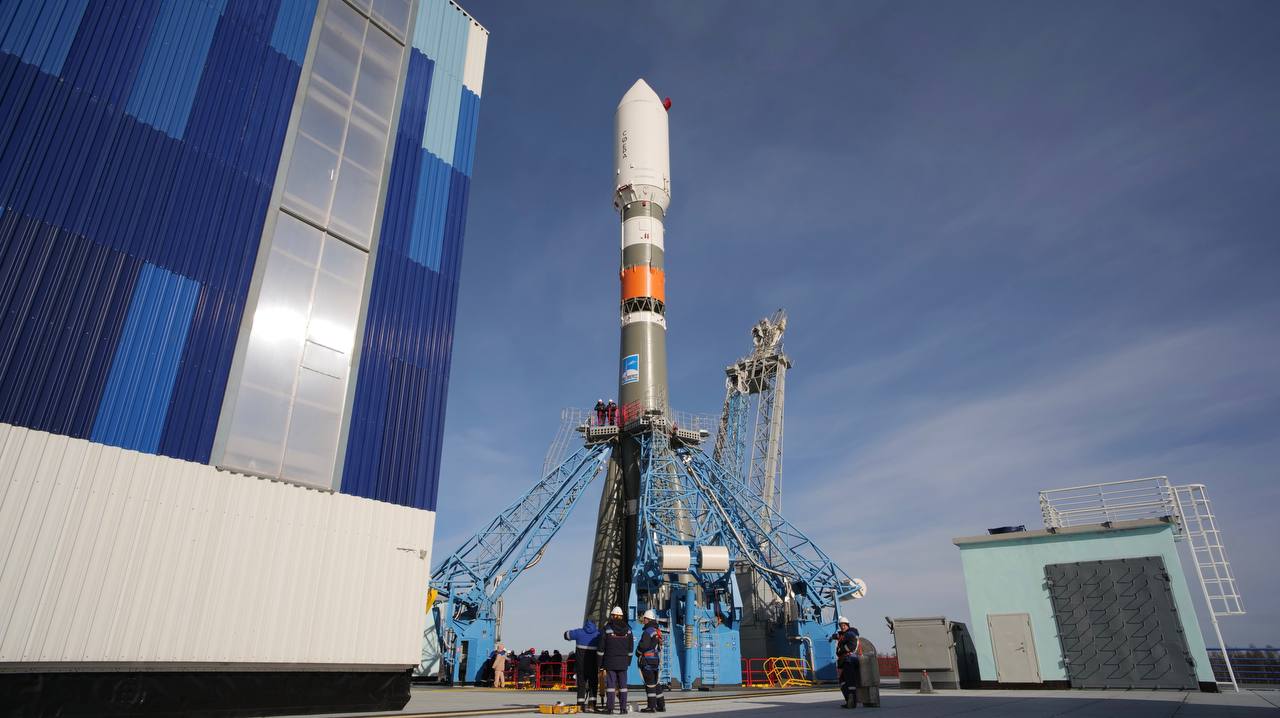
Soyuz 2.1b/Fregat | Glonass-K1 No. 20 (?)
Progress Rocket Space Center | RussiaPlesetsk Cosmodrome, Russian Federation
Status: Launch Successful
Mission:
Note: Satellite serial number and Cosmos designation not confirmed. Glonass-K are the third generation of satellite design for GLONASS satellite navigation system. GLONASS is a Russian space-based navigation system comparable to the similar GPS and Galileo systems. This generation improves on accuracy, power consumption and design life. Each satellite is unpressurized and weighs 935 kg, and has an operational lifetime of 10 years.
Medium Earth Orbit