Previous Spaceflight Launches
Filter by Agency, Locations or Vehicles
Show All Launches
Falcon 9 Block 5 | BlueBird 8-10 (Block 2 #3-5)
SpaceX | United States of AmericaCape Canaveral SFS, FL, USA
Status: Launch Successful
Mission:
AST SpaceMobile’s Block 2 BlueBird satellites are designed to deliver up to 10 times the bandwidth capacity of the BlueBird Block 1 satellites, required to achieve 24/7 continuous cellular broadband service coverage in the United States, with beams designed to support a capacity of up to 40 MHz, enabling peak data transmission speeds up to 120 Mbps, supporting voice, full data and video applications. The Block 2 BlueBirds, featuring as large as 2400 square foot communications arrays, will be the largest satellites ever commercially deployed in Low Earth orbit once launched. This launch will feature 3 satellites.
Low Earth Orbit B1077 - Flight Proven ( ) A Shortfall of Gravitas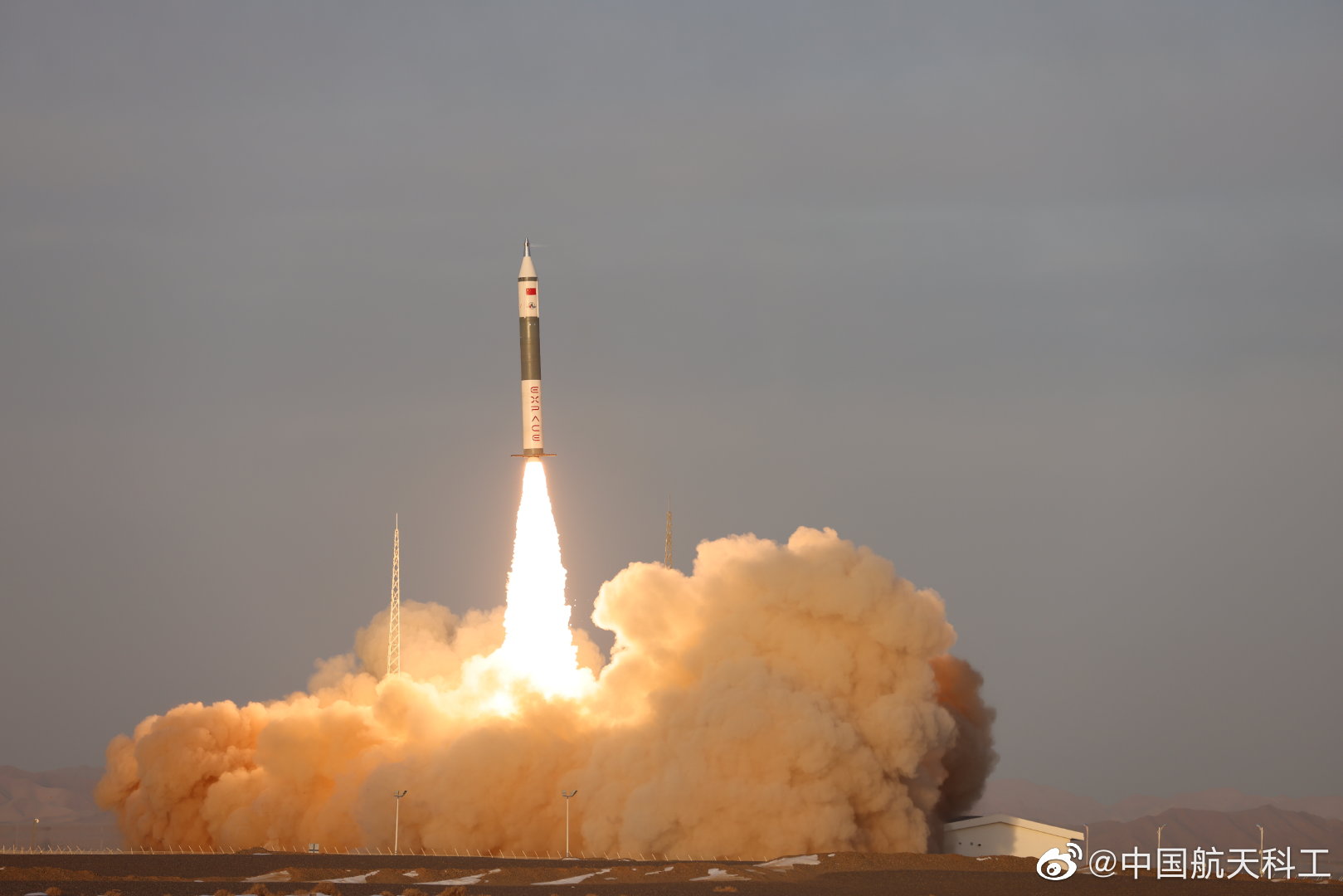
Kuaizhou 11 | CentiSpace-1 Group 05
ExPace | ChinaJiuquan Satellite Launch Center, People's Republic of China
Status: Launch Successful
Mission:
Note: Unofficial reports indicate there may be 1 or more additional satellites that failed to separate from the upper stage, however this is not officially confirmed. Chinese commercial small satellites by Beijing-based company Future Navigation for providing GNSS augmentation signals services from LEO. They are part of a planned 160 satellites constellation.
Low Earth Orbit
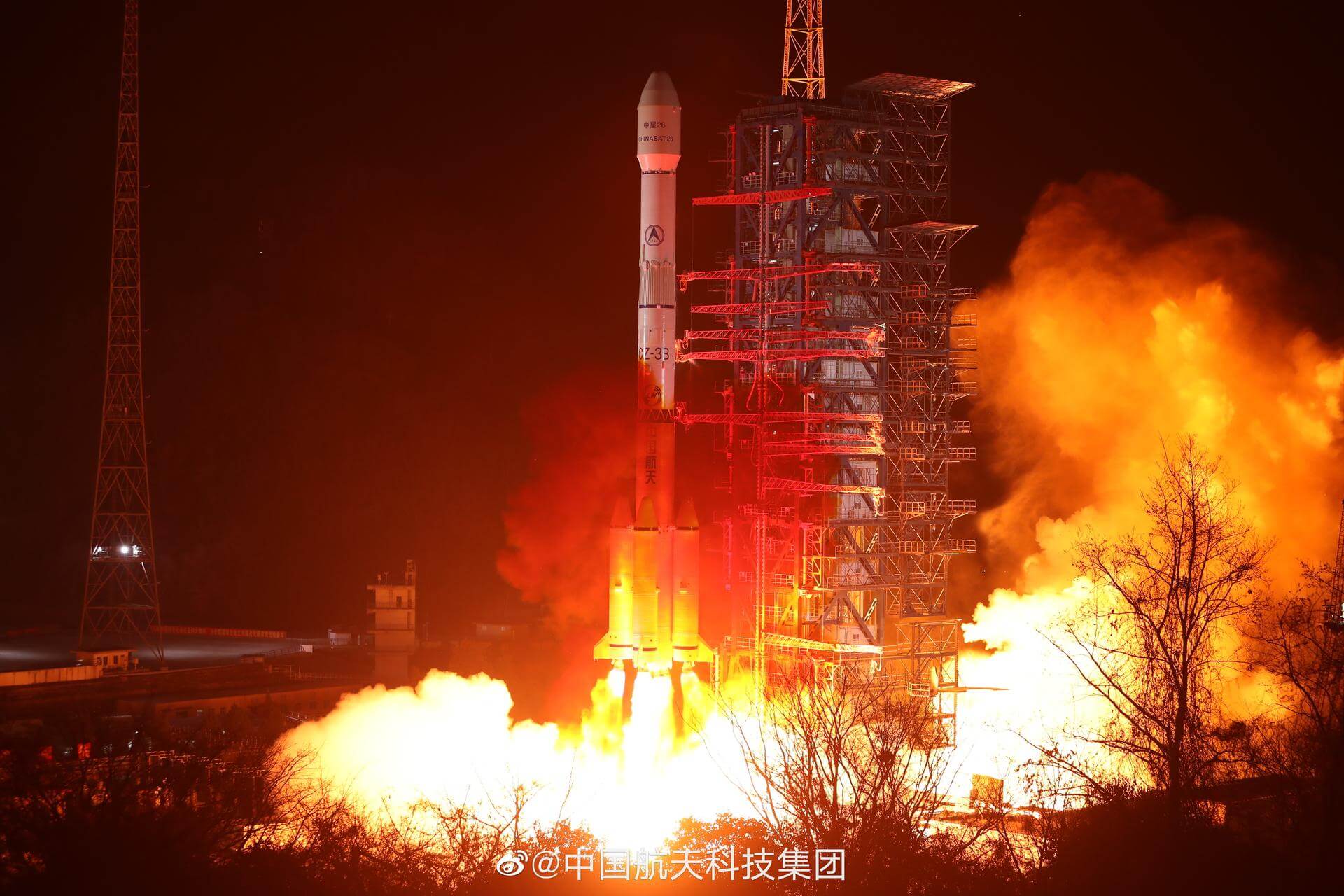
Long March 12 | SatNet LEO Group 22
China Aerospace Science and Technology Corporation | ChinaWenchang Space Launch Site, People's Republic of China
Long March 3B/E | Shijian 31
China Aerospace Science and Technology Corporation | ChinaXichang Satellite Launch Center, People's Republic of China
Falcon 9 Block 5 | Starlink Group 17-54
SpaceX | United States of AmericaVandenberg SFB, CA, USA
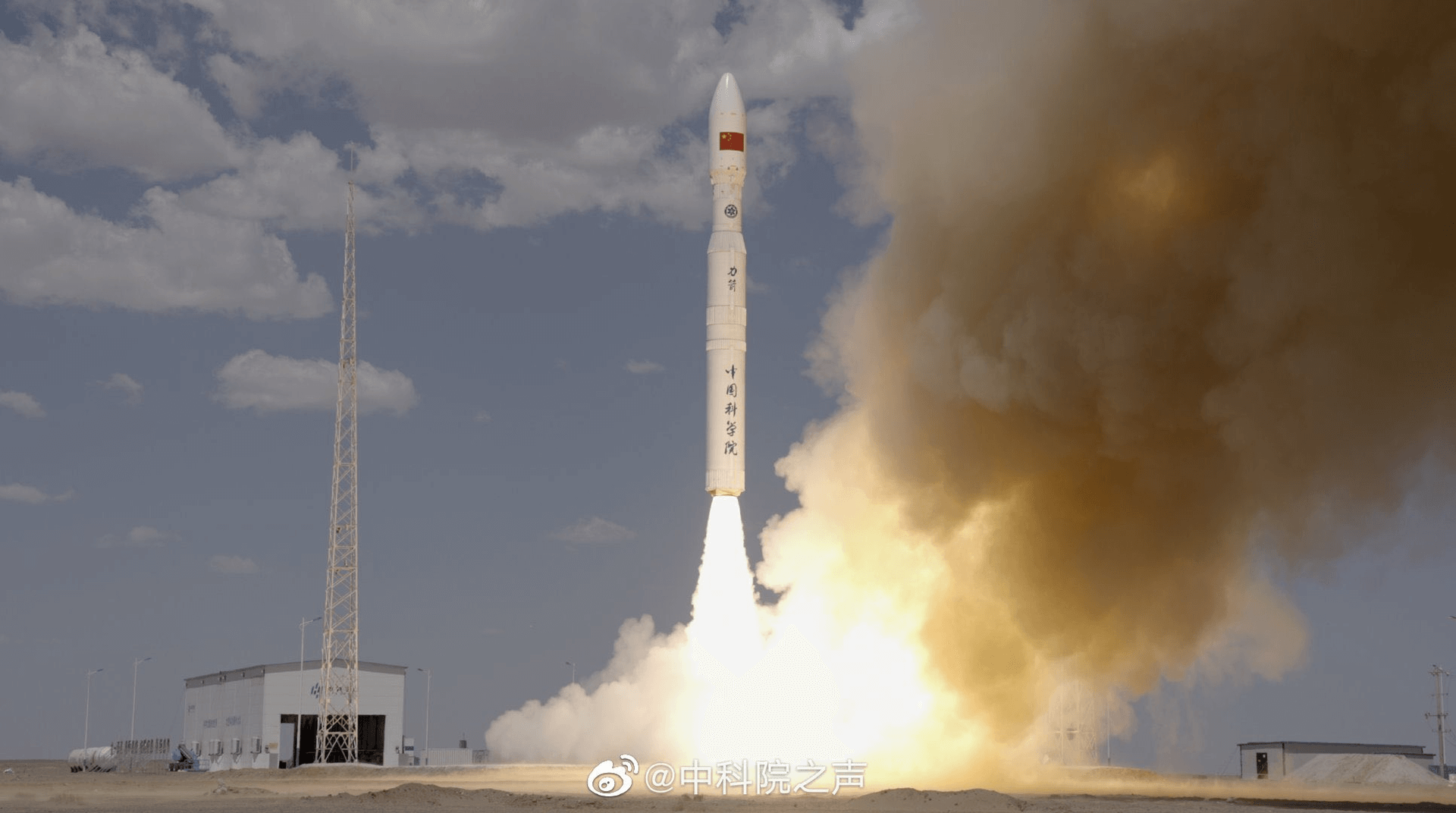
Kinetica 1 | 8 x Jilin-1
CAS Space | ChinaJiuquan Satellite Launch Center, People's Republic of China
Falcon 9 Block 5 | Starlink Group 10-54
SpaceX | United States of AmericaCape Canaveral SFS, FL, USA

H3-30 | H3-30 Test Flight
Mitsubishi Heavy Industries | JapanTanegashima Space Center, Japan
Status: Launch Successful
Mission:
Test flight of the H3-30 variant of the H3 launch vehicle with 3 LE-9 engines in the first stage and no SRBs. The flight will carry a dummy main payload (Vehicle Evaluation Payload 5, VEP-5) and several hitchhiking small satellites: * PETREL * STARS-X * BRO-22 * VERTECS * HORN-L/R
Sun-Synchronous OrbitFalcon 9 Block 5 | Starlink Group 17-44
SpaceX | United States of AmericaVandenberg SFB, CA, USA
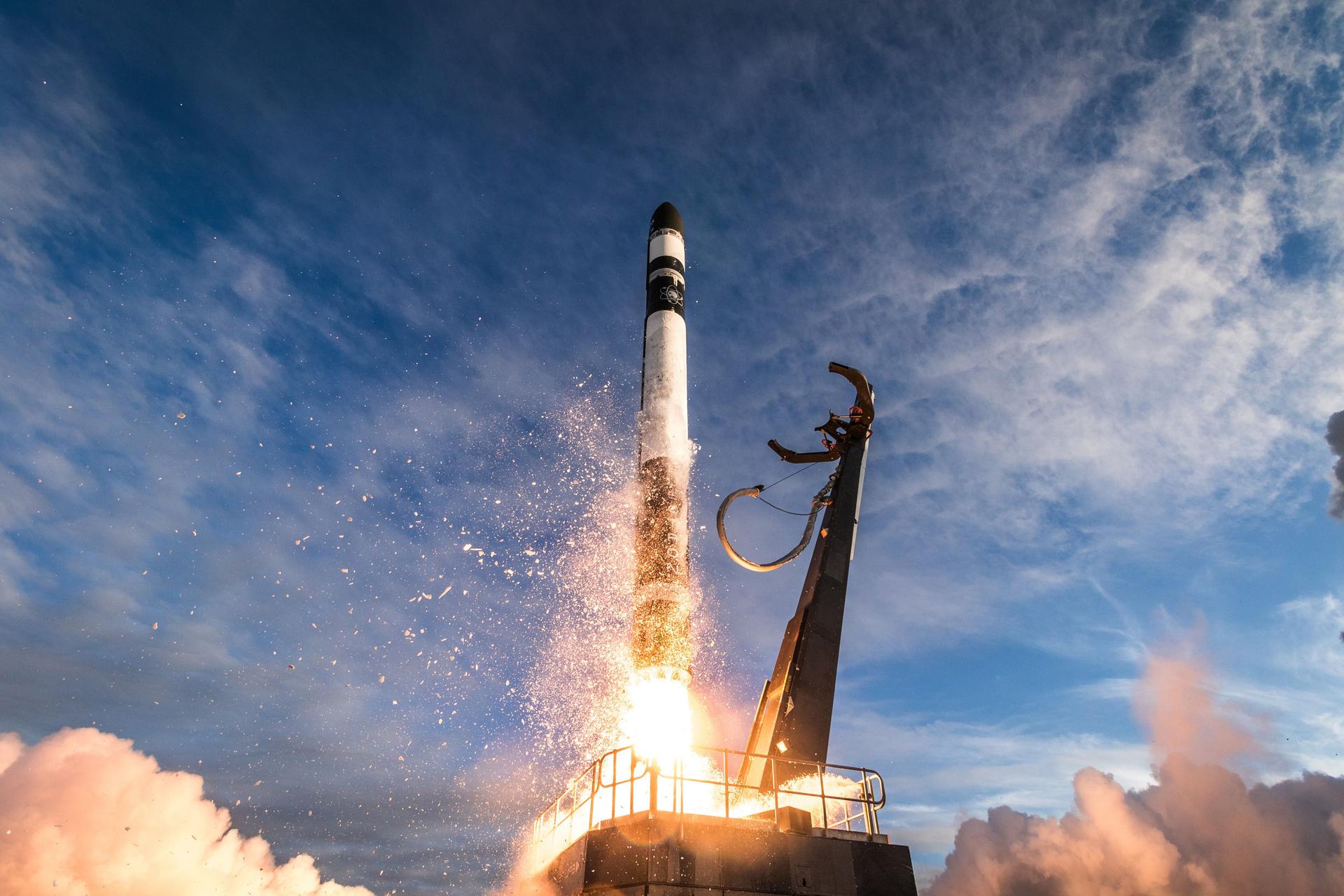
HASTE | Curveball
Rocket Lab | United States of AmericaWallops Flight Facility, Virginia, USA
Status: Launch Successful
Mission:
Sub-orbital launch under Rocket Lab’s Hypersonic Accelerator Suborbital Test Electron (HASTE) program, details TBD. Note: Despite reported as a strictly sub-orbital launch program, this launch was cataloged by the USSF to have left 2 rocket stages in a 200 km, 40° very low Earth orbit by the US Space Force. The payload was not cataloged and may have been deliberately de-orbited.
Low Earth Orbit