H-IIA 202 | Hayabusa-2
Launch Successful
L - -- : -- : -- : --
Instantaneous launch window.
Launch Window
Dec. 3, 2014, 4:22 a.m. - Dec. 3, 2014, 4:22 a.m.


Instantaneous launch window.
Dec. 3, 2014, 4:22 a.m. - Dec. 3, 2014, 4:22 a.m.
Hayabusa2 (Japanese: はやぶさ2, "Peregrine falcon 2") is an asteroid sample-return mission operated by the Japanese space agency, JAXA. It follows on from the Hayabusa mission which returned asteroid samples in June 2010. Hayabusa2 carries multiple science payloads for remote sensing, sampling, and four small rovers that investigated the asteroid surface to inform the environmental and geological context of the samples collected.
H-IIA (H2A) is an active expendable launch system operated by Mitsubishi Heavy Industries (MHI) for the Japan Aerospace Exploration Agency. The liquid-fueled H-IIA rockets have been used to launch satellites into geostationary orbit, to launch a lunar orbiting spacecraft, and to launch Akatsuki, which studied the planet Venus. Launches occur at the Tanegashima Space Center.
Mitsubishi Heavy Industries, Ltd. is a Japanese multinational engineering, electrical equipment and electronics company headquartered in Tokyo, Japan. MHI is one of the core companies of the Mitsubishi Group. MHI's products include aerospace components, air conditioners, aircraft, automotive components, forklift trucks, hydraulic equipment, machine tools, missiles, power generation equipment, printing machines, ships and space launch vehicles. Through its defense-related activities, it is the world's 23rd-largest defense contractor measured by 2011 defense revenues and the largest based in Japan.
INFO WIKI
Six years after departing Earth, Japan’s Hayabusa 2 spacecraft released a spinning capsule Saturday containing pristine asteroid material for a scorching re-entry and landing in the remote Australian outback, where teams are standing by to…

Hayabusa2’s sample return capsule has landed in Woomera, Australia, today, 5 December — or 6 December local time at Woomera. The exact landing location is now being determined, but a tweet from the mission’s official account says an estima…

An armored re-entry capsule carrying pristine specimens from an asteroid streaked into Earth’s atmosphere and parachuted to a landing in the Australian outback Saturday, bringing home extraterrestrial rocks that could hold clues to the ori…
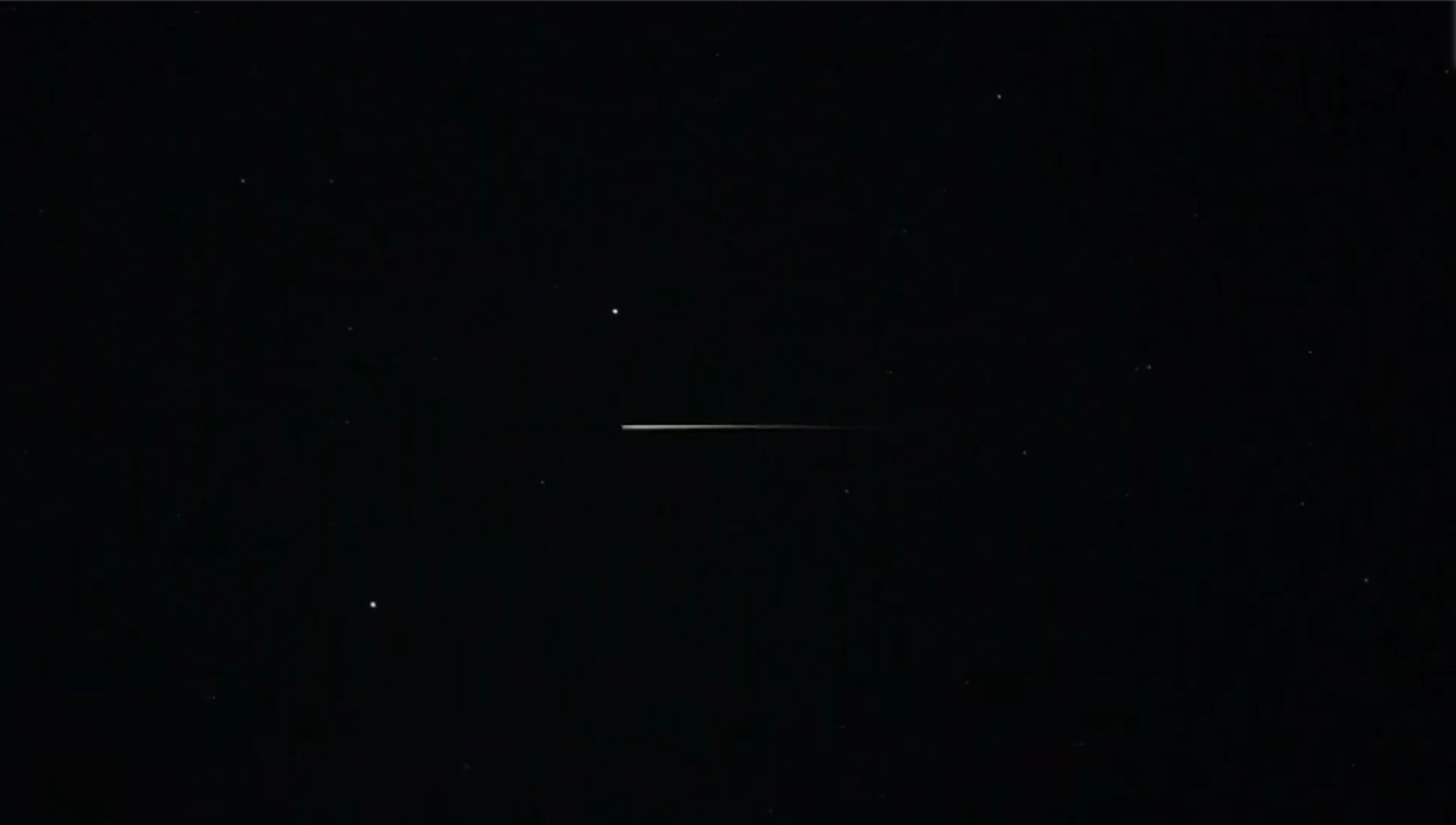
Japan’s Hayabusa2 mission has delivered samples taken from a primitive asteroid to Earth to provide insights into the origin of life on Earth and evolution of the solar system.

A batch of 25 satellites for the Starlink mega-constellation - SpaceX's project for space-based Internet communication system.
Amazon Leo, formerly known as Project Kuiper, is a mega constellation of satellites in Low Earth Orbit that will offer broadband internet access, thi…
Note: Payload identity uncertain. Meridian is a series of communications satellite for military and civilian use.
First test launch of Space Pioneer’s Tianlong-3 rocket.
A batch of 29 satellites for the Starlink mega-constellation - SpaceX's project for space-based Internet communication system.
Artemis II is the first crewed mission as part of the Artemis program. Artemis II will send a crew of 4 - 3 Americans and 1 Canadian around the moon …
A batch of 29 satellites for the Starlink mega-constellation - SpaceX's project for space-based Internet communication system.
Dedicated rideshare flight to a sun-synchronous orbit with dozens of small microsatellites and nanosatellites for commercial and government customers.
First test launch and mission of CAS Space’s Kinetica-2 rocket, with 3 spacecraft on board: * New March 02 (Qingzhou space station cargo resupply …
The European Space Agency (ESA)'s LEO-PNT (Low Earth Orbit Positioning, Navigation and Timing) demonstrator mission will feature a 10-satellite const…