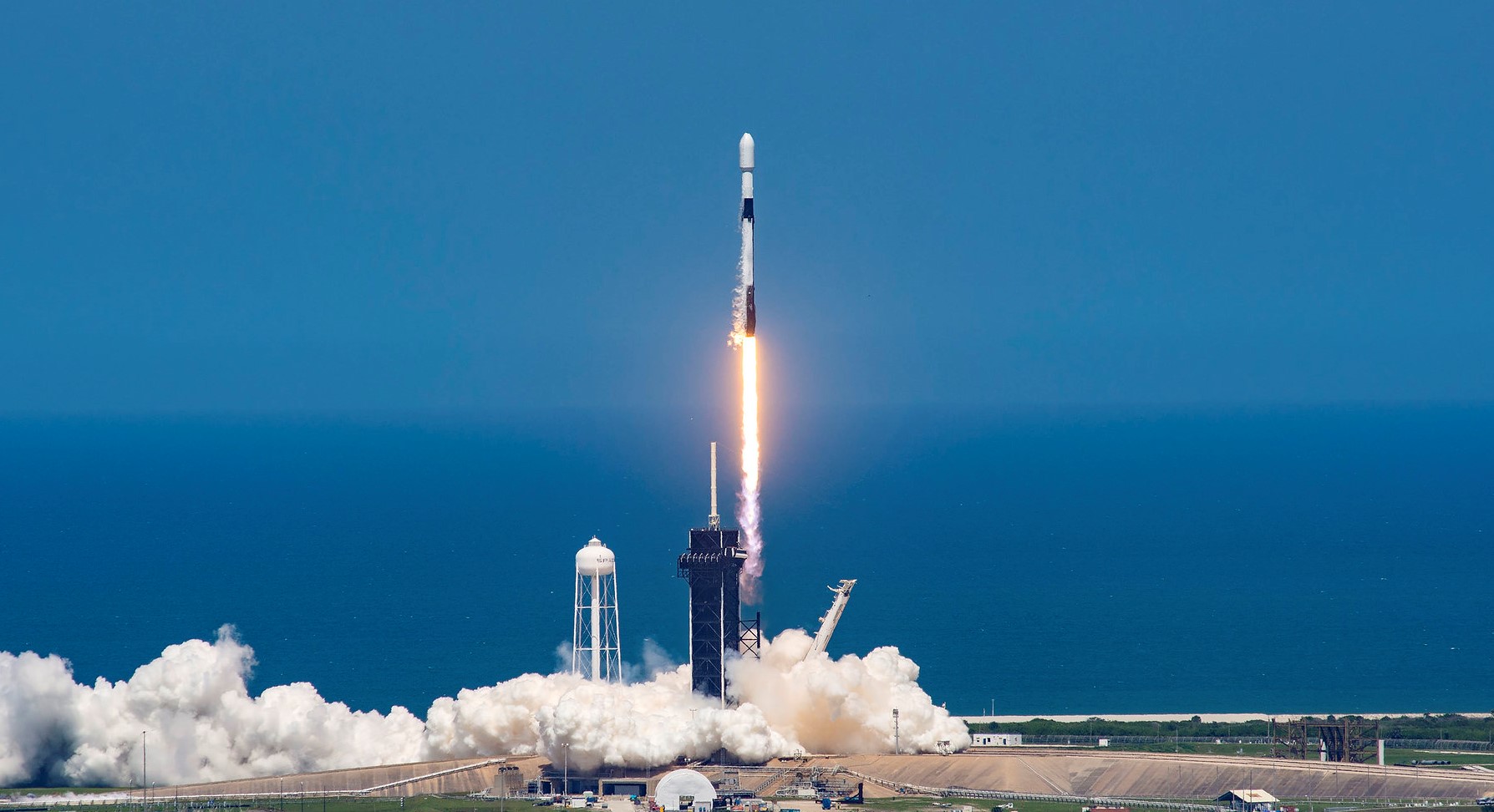
Falcon 9
Active Re-UsableSpaceX (SpX)
May 11, 2018
Description
Falcon 9 is a two-stage rocket designed and manufactured by SpaceX for the reliable and safe transport of satellites and the Dragon spacecraft into orbit. The Block 5 variant is the fifth major interval aimed at improving upon the ability for rapid reusability.
Specifications
-
Stages
2 -
Length
70.0 m -
Diameter
3.65 m -
Fairing Diameter
5.2 m -
Launch Mass
549.0 T -
Thrust
7607.0 kN -
Apogee (Sub-Orbital)
200.0 km
Family
-
Name
Falcon 9 -
Family
― -
Variant
Block 5 -
Alias
― -
Full Name
Falcon 9 Block 5
Payload Capacity
-
Launch Cost
$52000000 -
Low Earth Orbit
22800.0 kg -
Geostationary Transfer
Orbit
8300.0 kg -
Direct Geostationary
― -
Sun-Synchronous Capacity
―
SpaceX
Commercial
CEO: Elon Musk
SpX 2002Space Exploration Technologies Corp., known as SpaceX, is an American aerospace manufacturer and space transport services company headquartered in Hawthorne, California. It was founded in 2002 by entrepreneur Elon Musk with the goal of reducing space transportation costs and enabling the colonization of Mars. SpaceX operates from many pads, on the East Coast of the US they operate from SLC-40 at Cape Canaveral Space Force Station and historic LC-39A at Kennedy Space Center. They also operate from SLC-4E at Vandenberg Space Force Base, California, usually for polar launches. Another launch site is being developed at Boca Chica, Texas.
Upcoming Spaceflights
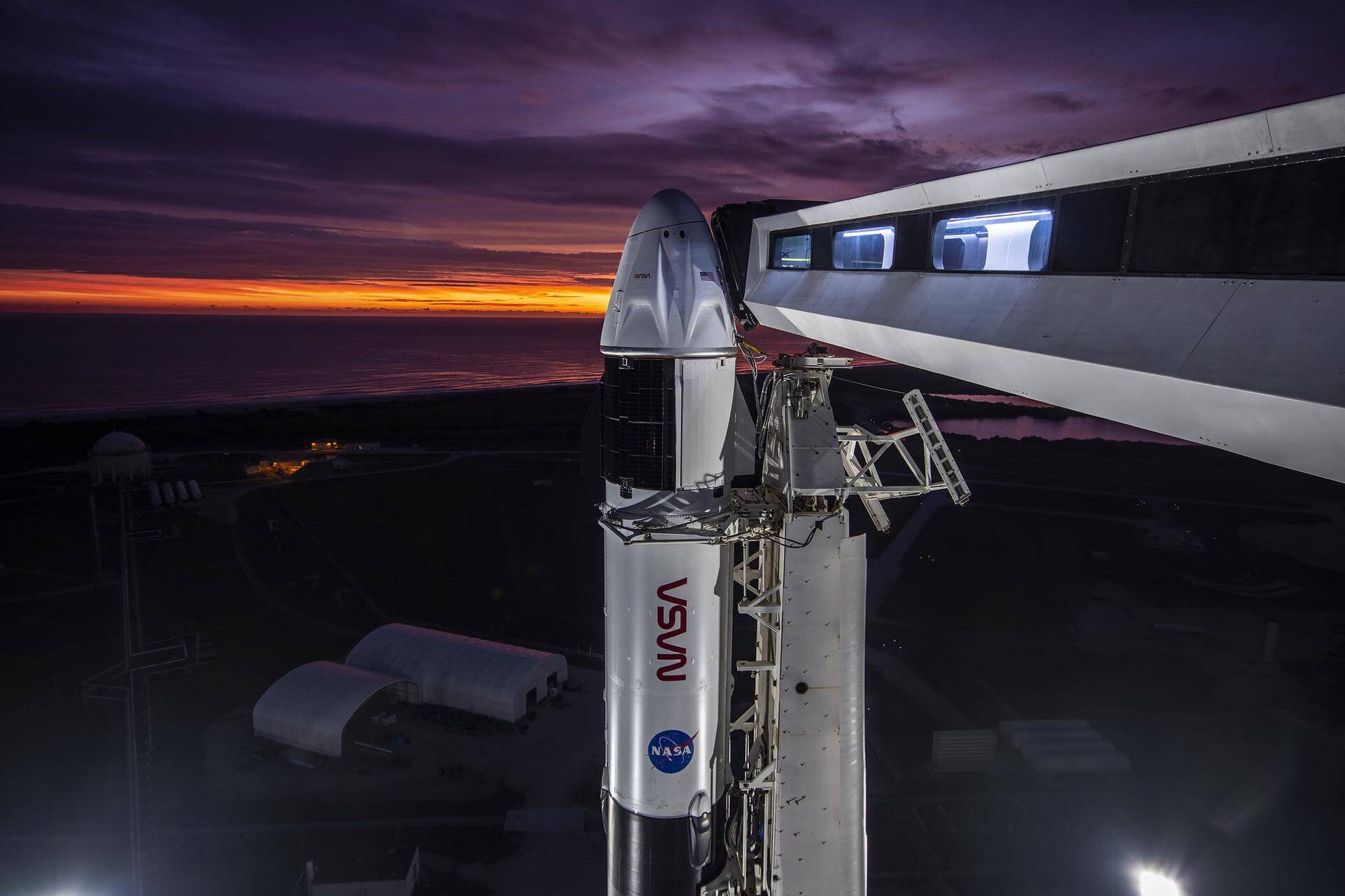
Falcon 9 Block 5 | Crew-13
SpaceX | United States of AmericaCape Canaveral SFS, FL, USA
Falcon 9 Block 5 | Transporter 18 (Dedicated SSO Rideshare)
SpaceX | United States of AmericaVandenberg SFB, CA, USA
Falcon 9 Block 5 | SDA Tranche 1 Transport Layer A
SpaceX | United States of AmericaVandenberg SFB, CA, USA
Status: To Be Confirmed
Mission:
Tranche 1 Transport Layer A is one of six missions by the United States Space Force Space Development Agency (SDA) for the Proliferated Warfighter Space Architecture (PWSA) Tranche 1 Transport Layer constellation, which will provide assured, resilient, low-latency military data and connectivity worldwide to the full range of warfighter platforms from Low Earth Orbit satellites. The constellation will be interconnected with Optical Inter-Satellite Links (OISLs) which have significantly increased performance over existing radio frequency crosslinks. It is expected to operate over Ka band, have stereo coverage and be dynamically networked for simpler hand-offs, greater bandwidth and fault tolerance. This launch carries 21 satellites manufactured by Northrop Grumman.
Polar Orbit Unknown F9 - Maiden Flight Landing Zone 4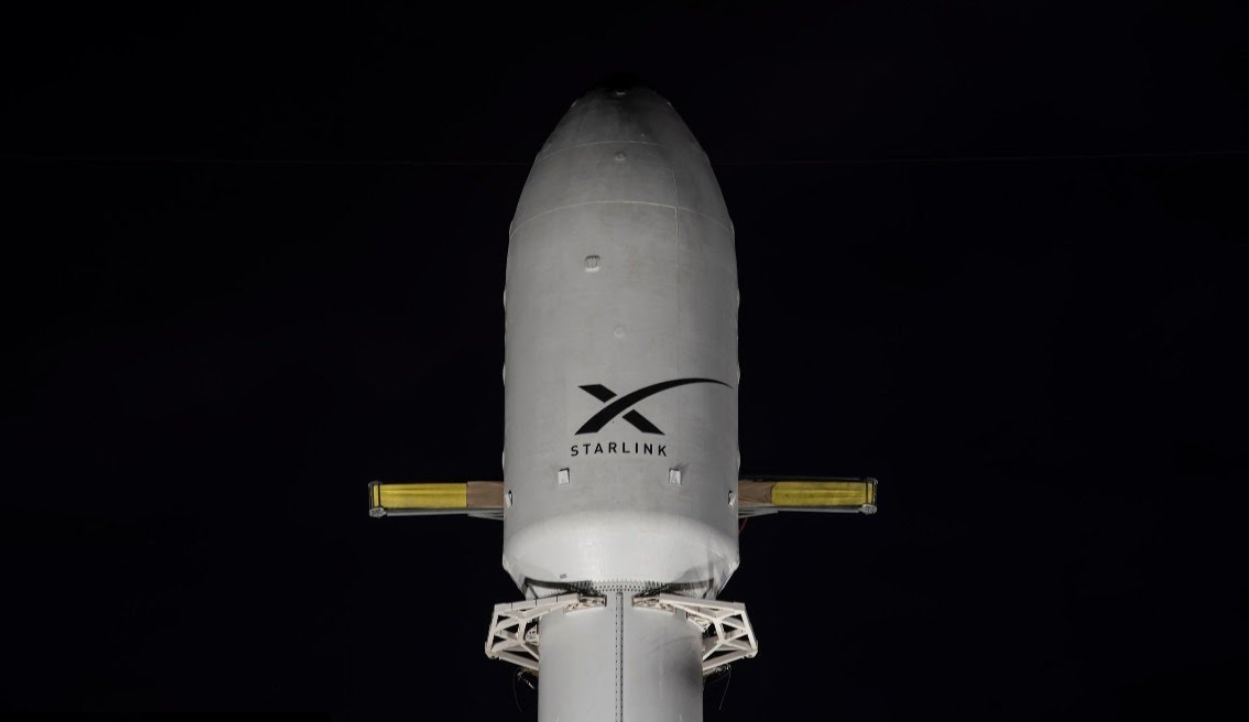
Falcon 9 Block 5 | Starlink Group 15-25
SpaceX | United States of AmericaVandenberg SFB, CA, USA

Falcon 9 Block 5 | Bandwagon 5 (Dedicated Mid-Inclination Rideshare)
SpaceX | United States of AmericaCape Canaveral SFS, FL, USA
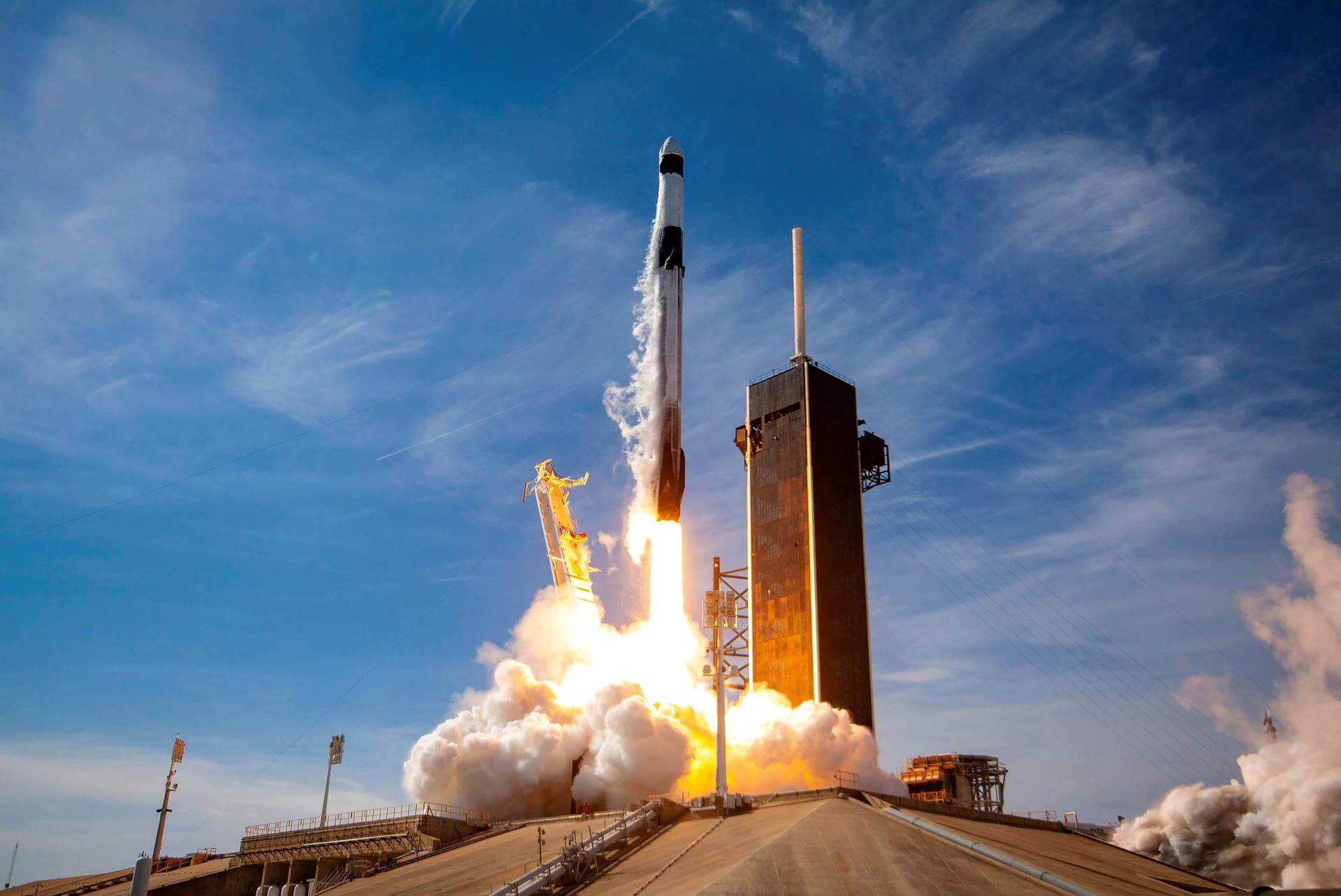
Falcon 9 Block 5 | Dragon CRS-2 SpX-35
SpaceX | United States of AmericaCape Canaveral SFS, FL, USA
Status: To Be Determined
Mission:
35th commercial resupply services mission to the International Space Station operated by SpaceX. The flight will be conducted under the second Commercial Resupply Services contract with NASA. Cargo Dragon 2 brings supplies and payloads, including critical materials to directly support science and research investigations that occur onboard the orbiting laboratory.
Low Earth Orbit Unknown F9 - Maiden Flight Landing Zone 40Falcon 9 Block 5 | Rivada 7
SpaceX | United States of AmericaVandenberg SFB, CA, USA
Falcon 9 Block 5 | Cygnus CRS-2 NG-25
SpaceX | United States of AmericaCape Canaveral SFS, FL, USA
Falcon 9 Block 5 | Rivada 8
SpaceX | United States of AmericaVandenberg SFB, CA, USA
Falcon 9 Block 5 | Rivada 1
SpaceX | United States of AmericaVandenberg SFB, CA, USA
Falcon 9 Block 5 | SDA Tranche 1 Tracking Layer C
SpaceX | United States of AmericaVandenberg SFB, CA, USA
Status: To Be Determined
Mission:
Tranche 1 Tracking Layer C is one of five missions by the United States Space Force Space Development Agency (SDA) for the Proliferated Warfighter Space Architecture (PWSA) Tranche 1 Tracking Layer constellation, which will provide global indications, warning, tracking, and targeting of advanced missile threats, including hypersonic missile systems.
Polar OrbitFalcon 9 Block 5 | USSF-31
SpaceX | United States of AmericaCape Canaveral SFS, FL, USA
Falcon 9 Block 5 | Rivada 10
SpaceX | United States of AmericaVandenberg SFB, CA, USA
Falcon 9 Block 5 | Rivada 11
SpaceX | United States of AmericaVandenberg SFB, CA, USA
Falcon 9 Block 5 | Rivada 12
SpaceX | United States of AmericaVandenberg SFB, CA, USA
Falcon 9 Block 5 | Telesat Lightspeed 1
SpaceX | United States of AmericaCape Canaveral SFS, FL, USA
Falcon 9 Block 5 | Telesat Lightspeed 7
SpaceX | United States of AmericaCape Canaveral SFS, FL, USA
Falcon 9 Block 5 | Telesat Lightspeed 2
SpaceX | United States of AmericaCape Canaveral SFS, FL, USA
Falcon 9 Block 5 | Telesat Lightspeed 3
SpaceX | United States of AmericaCape Canaveral SFS, FL, USA
Falcon 9 Block 5 | Telesat Lightspeed 4
SpaceX | United States of AmericaCape Canaveral SFS, FL, USA
Falcon 9 Block 5 | Telesat Lightspeed 5
SpaceX | United States of AmericaCape Canaveral SFS, FL, USA
Falcon 9 Block 5 | Telesat Lightspeed 6
SpaceX | United States of AmericaCape Canaveral SFS, FL, USA
Falcon 9 Block 5 | SDA Tranche 1 Tracking Layer A
SpaceX | United States of AmericaVandenberg SFB, CA, USA
Status: To Be Determined
Mission:
Tranche 1 Tracking Layer A is one of five missions by the United States Space Force Space Development Agency (SDA) for the Proliferated Warfighter Space Architecture (PWSA) Tranche 1 Tracking Layer constellation, which will provide global indications, warning, tracking, and targeting of advanced missile threats, including hypersonic missile systems.
Polar OrbitFalcon 9 Block 5 | SDA Tranche 2 Transport Layer A
SpaceX | United States of AmericaVandenberg SFB, CA, USA
Falcon 9 Block 5 | Rivada 9
SpaceX | United States of AmericaVandenberg SFB, CA, USA
Falcon 9 Block 5 | Rivada 2
SpaceX | United States of AmericaVandenberg SFB, CA, USA
Falcon 9 Block 5 | Rivada 3
SpaceX | United States of AmericaVandenberg SFB, CA, USA
Falcon 9 Block 5 | Rivada 4
SpaceX | United States of AmericaVandenberg SFB, CA, USA
Falcon 9 Block 5 | Rivada 5
SpaceX | United States of AmericaVandenberg SFB, CA, USA
Falcon 9 Block 5 | Rivada 6
SpaceX | United States of AmericaVandenberg SFB, CA, USA
Falcon 9 Block 5 | CHORUS
SpaceX | United States of AmericaCape Canaveral SFS, FL, USA
Status: To Be Determined
Mission:
CHORUS is MDA's next generation Earth observation constellation, consisting of 2 radar satellites (C-band SAR and X-band SAR), in a 53.5 degree 600 km altitude LEO, with the X-band trailing the C-band by 60 minutes. A collaborative multi-sensor constellation, CHORUS will bring together diverse and unique imagery and data sources and provide a new level of near real-time insight and innovative Earth observation services. Operating in a unique mid-inclination orbit, CHORUS will be able to image day or night, regardless of weather conditions, with daily access of up to 95% of the coverage area. From an industry-leading 700km-wide imaging swath down to sub-metre high resolution, CHORUS will provide the most extensive and unrivalled Earth observation radar imaging capacity available on the market in a single mission.
Low Earth OrbitFalcon 9 Block 5 | VICTUS SURGO
SpaceX | United States of AmericaCape Canaveral SFS, FL, USA
Status: To Be Determined
Mission:
A new Tactically Responsive Space (TacRS) mission by the United States Space Force Space Systems Command to deliver responsive space delivery. The mission consists of an Impulse Space Mira orbital transfer vehicle that will operate in Geosynchronous Transfer Orbit (GTO), which would be transferred from Low Earth Orbit (LEO) on an Impulse Space Helios kick stage. A Helios rideshare payload will also be delivered to GEO.
Low Earth OrbitFalcon 9 Block 5 | SDA Tranche 2 Transport Layer D
SpaceX | United States of AmericaCape Canaveral SFS, FL, USA
Falcon 9 Block 5 | SDA Tranche 2 Transport Layer E
SpaceX | United States of AmericaVandenberg SFB, CA, USA
Falcon 9 Block 5 | Globalstar 2-R Mission 2 (x 9)
SpaceX | United States of AmericaCape Canaveral SFS, FL, USA
Status: To Be Determined
Mission:
The Globalstar global mobile communications network offers global, digital real time voice, data and fax services via its Low Earth Orbit satellite constellation. The constellation operates in a 1410 km orbit inclined at 52 degrees. In early 2022, Globalstar contracted with MDA for the construction of 17 new 2nd generation refresh satellites to replenish the existing constellation. Rocket Lab is sub-contracted to build the satellites' buses and the launch dispensers.
Low Earth Orbit Unknown F9 - Maiden Flight A Shortfall of GravitasFalcon 9 Block 5 | SDA Tranche 1 Transport Layer D
SpaceX | United States of AmericaVandenberg SFB, CA, USA
Status: To Be Determined
Mission:
Tranche 1 Transport Layer D is one of six missions by the United States Space Force Space Development Agency (SDA) for the Proliferated Warfighter Space Architecture (PWSA) Tranche 1 Transport Layer constellation, which will provide assured, resilient, low-latency military data and connectivity worldwide to the full range of warfighter platforms from Low Earth Orbit satellites. The constellation will be interconnected with Optical Inter-Satellite Links (OISLs) which have significantly increased performance over existing radio frequency crosslinks. It is expected to operate over Ka band, have stereo coverage and be dynamically networked for simpler hand-offs, greater bandwidth and fault tolerance.
Polar OrbitFalcon 9 Block 5 | SDA Tranche 1 Transport Layer F
SpaceX | United States of AmericaVandenberg SFB, CA, USA
Status: To Be Determined
Mission:
Tranche 1 Transport Layer F is one of six missions by the United States Space Force Space Development Agency (SDA) for the Proliferated Warfighter Space Architecture (PWSA) Tranche 1 Transport Layer constellation, which will provide assured, resilient, low-latency military data and connectivity worldwide to the full range of warfighter platforms from Low Earth Orbit satellites. The constellation will be interconnected with Optical Inter-Satellite Links (OISLs) which have significantly increased performance over existing radio frequency crosslinks. It is expected to operate over Ka band, have stereo coverage and be dynamically networked for simpler hand-offs, greater bandwidth and fault tolerance.
Polar OrbitFalcon 9 Block 5 | SDA Tranche 1 Tracking Layer E
SpaceX | United States of AmericaVandenberg SFB, CA, USA
Status: To Be Determined
Mission:
Tranche 1 Tracking Layer E is one of five missions by the United States Space Force Space Development Agency (SDA) for the Proliferated Warfighter Space Architecture (PWSA) Tranche 1 Tracking Layer constellation, which will provide global indications, warning, tracking, and targeting of advanced missile threats, including hypersonic missile systems.
Polar OrbitFalcon 9 Block 5 | Cygnus CRS-2 NG-22
SpaceX | United States of AmericaCape Canaveral SFS, FL, USA
Status: To Be Determined
Mission:
This is the 25th flight of the Orbital ATK's uncrewed resupply spacecraft Cygnus and its 24th flight to the International Space Station under the Commercial Resupply Services contract with NASA. The NG-22 Cygnus spacecraft was damaged during transport to Cape Canaveral in March 2025 and was shipped back to factory for repairs.
Low Earth Orbit Unknown F9 - Maiden Flight UnknownFalcon 9 Block 5 | SDA Tranche 2 Tracking Layer A
SpaceX | United States of AmericaCape Canaveral SFS, FL, USA
Falcon 9 Block 5 | SDA Tranche 2 Tracking Layer B
SpaceX | United States of AmericaCape Canaveral SFS, FL, USA
Falcon 9 Block 5 | Inmarsat-7 F1 (GX-7)
SpaceX | United States of AmericaCape Canaveral SFS, FL, USA
Status: To Be Determined
Mission:
Inmarsat-7 is the seventh generation of satellites for the London-based global mobile satellite communications operator Inmarsat. The three satellites of the series - GX-7, 8 & 9 - will have an improved fully reconfigurable Ka-band payload for Inmarsat's Global Xpress services. They are optimized for real-time mobility and feature thousands of dynamically-formed beams that direct capacity with laser-like precision over high-demand areas, to provide HTS (High Throughput) broadband connectivity for the mobility market. The satellites will be based on Airbus’ new standard and fully reconfigurable satellite product line OneSat. Fully reconfigurable and featuring on board processing and active antennas, the three Ka-band spacecraft will be able to adjust their coverage, capacity and frequency.
Geostationary Transfer Orbit
Falcon 9 Block 5 | Axiom Space Mission 5
SpaceX | United States of AmericaCape Canaveral SFS, FL, USA
Status: To Be Determined
Mission:
This is a Crew Dragon flight for a private company Axiom Space. The mission will carry a professionally trained commander alongside three private astronauts to and from the International Space Station for a month.
Low Earth Orbit Unknown F9 - Maiden Flight Landing Zone 40Falcon 9 Block 5 | SDA Tranche 2 Transport Layer C
SpaceX | United States of AmericaCape Canaveral SFS, FL, USA
Falcon 9 Block 5 | SDA Tranche 2 Transport Layer F
SpaceX | United States of AmericaVandenberg SFB, CA, USA
Falcon 9 Block 5 | SICRAL 3A
SpaceX | United States of AmericaCape Canaveral SFS, FL, USA
Status: To Be Determined
Mission:
SICRAL 3A and 3B are next generation communication satellites for the Italian Ministry of Defence, providing UHF and SHF communications services in replacement of SICRAL 2 and adding Ka-band capacities. One of the satellites will provide UHF and SHF band communications, while the other carries a Ka-band payload. These 2 geostationary satellites will provide confidential strategic and tactical communications, to support defense missions both in Italy and abroad, as well as supporting security, public rescue and civil protection services. The new SICRAL 3 system is designed to meet Italian defense communications and interoperability requirements.
Geostationary Transfer OrbitFalcon 9 Block 5 | SDA Tranche 2 Transport Layer G
SpaceX | United States of AmericaVandenberg SFB, CA, USA
Falcon 9 Block 5 | Crew-14
SpaceX | United States of AmericaCape Canaveral SFS, FL, USA
Falcon 9 Block 5 | Haven-1
SpaceX | United States of AmericaCape Canaveral SFS, FL, USA
Falcon 9 Block 5 | SDA Tranche 2 Transport Layer H
SpaceX | United States of AmericaVandenberg SFB, CA, USA
Falcon 9 Block 5 | Nova-C IM-3
SpaceX | United States of AmericaCape Canaveral SFS, FL, USA
Status: To Be Determined
Mission:
This is the third mission to the Moon for Intuitive Machines with its Nova-C lunar lander. It is to deliver 130 kg of payloads to the lunar surface. This mission also includes a rideshare possibility due to available excess capacity on the launch vehicle.
Lunar OrbitFalcon 9 Block 5 | WSF-M2 & BLAZE-2 (USSF-178)
SpaceX | United States of AmericaVandenberg SFB, CA, USA
Status: To Be Determined
Mission:
Second Weather System Follow-on (WSF) satellite. WSF-M (Weather System Follow-on - Microwave) is the next-generation operational environmental satellite system for the Department of Defense (DoD), to replace the microwave wavelength weather forecasting capabilities of the DMSP satellites. Ball Aerospace has been selected in late November 2017 to be the prime contractor for 2 Low Earth Orbit (LEO) weather satellites with a passive microwave imaging radiometer instrument and hosted Government furnished energetic charged particle (ECP) sensor space weather payload developed by the Air Force Research Laboratory. The radiometer leverages the Ball-built Global Precipitation Measurement (GPM) Microwave Imager (GMI) instrument. This mission will improve weather forecasting over maritime regions by taking global measurements of the atmosphere and ocean surface. The launch will also include BLAZE-2, a launch opportunity for operational, research, development, and prototype small satellites from across the DoD.
Polar Orbit
Falcon 9 Block 5 | 5x Astranis MicroGEO
SpaceX | United States of AmericaCape Canaveral SFS, FL, USA
Status: To Be Determined
Mission:
Five Astranis MicroGEO communications satellite to be inserted in a custom geostationary orbit, from where they conduct on-orbit maneuvers to reach their individual slots. The 5 satellites include: * Apco 1 & Apco 2 (Mexico) * Thaicom-9 (Thailand) * 1x for Chunghwa Telecom (Taiwan) * 1x for MB Group (Oman)
Geostationary Transfer OrbitFalcon 9 Block 5 | SDA Tranche 2 Transport Layer I
SpaceX | United States of AmericaCape Canaveral SFS, FL, USA
Falcon 9 Block 5 | Trinity
SpaceX | United States of AmericaCape Canaveral SFS, FL, USA
Status: To Be Determined
Mission:
Trinity is a three-spacecraft mission from US satellite manufacturer K2 Space, with each satellite deploying to a different orbital regime to prove out K2 Space’s multi-orbit satellite platform. 2 satellites will be dropped off in LEO, 1 remaining in LEO for a period before raising itself to MEO, while the other will immediately begin climbing to MEO and will aim to complete orbit raising within 90 days. The 3rd satellite will be launched directly into a geostationary transfer orbit.
Geostationary Transfer OrbitFalcon 9 Block 5 | SDA Tranche 2 Tracking Layer C
SpaceX | United States of AmericaCape Canaveral SFS, FL, USA
Falcon 9 Block 5 | SDA Tranche 2 Tracking Layer D
SpaceX | United States of AmericaCape Canaveral SFS, FL, USA
Falcon 9 Block 5 | USSF-149
SpaceX | United States of AmericaCape Canaveral SFS, FL, USA
Falcon 9 Block 5 | KOMPSAT-7A
SpaceX | United States of AmericaCape Canaveral SFS, FL, USA
Falcon 9 Block 5 | SDA Tranche 2 Transport Layer J
SpaceX | United States of AmericaCape Canaveral SFS, FL, USA
Falcon 9 Block 5 | Haven-1 Crew-1
SpaceX | United States of AmericaCape Canaveral SFS, FL, USA
Status: To Be Determined
Mission:
First crewed mission of VAST Space's future commercial space station Haven-1. The crew of four will remain in orbit for 10 days. The crew will include ESA/CNES astronaut Arnaud Prost, as well as potentially ESA/UKSA astronaut John McFall.
Low Earth Orbit
Falcon 9 Block 5 | COSI (Compton Spectrometer and Imager)
SpaceX | United States of AmericaCape Canaveral SFS, FL, USA
Status: To Be Determined
Mission:
Wide-field gamma-ray telescope designed to study energetic phenomena in the Milky Way and beyond, including the creation and destruction of matter and antimatter and the final stages of the lives of stars. The mission is a collaboration between the University of California, Berkeley’s Space Sciences Laboratory, the University of California, San Diego, the Naval Research Laboratory, NASA’s Goddard Space Flight Center, and Northrop Grumman.
Low Earth Orbit
Falcon 9 Block 5 | USSF-385
SpaceX | United States of AmericaVandenberg SFB, CA, USA
Status: Launch Successful
Mission:
A classified mission for the United States Space Force. It is possibly a batch of classified LEO satellites based on SpaceX’s Starshield satellite bus, based on locations of rocket stage drop zones being exact fits with previous Starlink Group 15 launches.
Low Earth Orbit B1100 - Flight Proven ( ) Of Course I Still Love YouFalcon 9 Block 5 | Starlink Group 15-27
SpaceX | United States of AmericaVandenberg SFB, CA, USA
Falcon 9 Block 5 | USSF-259
SpaceX | United States of AmericaVandenberg SFB, CA, USA
Status: Launch Successful
Mission:
USSF-259 is a classified mission for the United States Space Force. It is possibly a batch of classified LEO satellites based on SpaceX’s Starshield satellite bus, based on locations of ascent rocket stage drop zones being fits with previous SDA Transport Layer launches.
Polar Orbit B1097 - Flight Proven ( ) Of Course I Still Love YouFalcon 9 Block 5 | O3b mPower 11-13
SpaceX | United States of AmericaCape Canaveral SFS, FL, USA
Falcon 9 Block 5 | USSF-153
SpaceX | United States of AmericaVandenberg SFB, CA, USA
Status: Launch Successful
Mission:
USSF-153 is a classified mission for the United States Space Force. It is possibly a batch of classified LEO satellites based on SpaceX’s Starshield satellite bus, based on locations of rocket stage drop zones being exact fits with previous Starlink Group 15 launches.
Low Earth Orbit B1081 - Flight Proven ( ) Of Course I Still Love YouFalcon 9 Block 5 | Starlink Group 15-24
SpaceX | United States of AmericaVandenberg SFB, CA, USA
Falcon 9 Block 5 | Starlink Group 15-23
SpaceX | United States of AmericaVandenberg SFB, CA, USA
Falcon 9 Block 5 | Starlink Group 15-22
SpaceX | United States of AmericaVandenberg SFB, CA, USA
Falcon 9 Block 5 | Starlink Group 10-49
SpaceX | United States of AmericaCape Canaveral SFS, FL, USA
Falcon 9 Block 5 | Starlink Group 15-20
SpaceX | United States of AmericaVandenberg SFB, CA, USA
Falcon 9 Block 5 | Starlink Group 10-39
SpaceX | United States of AmericaCape Canaveral SFS, FL, USA
Falcon 9 Block 5 | Starlink Group 17-50
SpaceX | United States of AmericaVandenberg SFB, CA, USA
Falcon 9 Block 5 | USSF-366
SpaceX | United States of AmericaVandenberg SFB, CA, USA
Status: Launch Successful
Mission:
USSF-366 is a classified mission for the United States Space Force. It is possibly a batch of classified LEO satellites based on SpaceX’s Starshield satellite bus, based on locations of rocket stage drop zones being exact fits with previous Starlink Group 15 launches.
Low Earth Orbit B1088 - Flight Proven ( ) Of Course I Still Love YouFalcon 9 Block 5 | Globalstar 2-R Mission 1 (x 8)
SpaceX | United States of AmericaCape Canaveral SFS, FL, USA
Status: Launch Successful
Mission:
The Globalstar global mobile communications network offers global, digital real time voice, data and fax services via its Low Earth Orbit satellite constellation. The constellation operates in a 1410 km orbit inclined at 52 degrees. In early 2022, Globalstar contracted with MDA for the construction of 17 new 2nd generation refresh satellites to replenish the existing constellation. Rocket Lab is sub-contracted to build the satellites' buses and the launch dispensers.
Low Earth Orbit B1090 - Flight Proven ( ) Landing Zone 40Falcon 9 Block 5 | Starlink Group 17-49
SpaceX | United States of AmericaVandenberg SFB, CA, USA
Falcon 9 Block 5 | Starlink Group 10-19
SpaceX | United States of AmericaCape Canaveral SFS, FL, USA
Falcon 9 Block 5 | Starlink Group 17-38
SpaceX | United States of AmericaVandenberg SFB, CA, USA

Falcon 9 Block 5 | BlueBird 11-13 (Block 2 #6-8)
SpaceX | United States of AmericaCape Canaveral SFS, FL, USA
Status: Launch Successful
Mission:
AST SpaceMobile’s Block 2 BlueBird satellites are designed to deliver up to 10 times the bandwidth capacity of the BlueBird Block 1 satellites, required to achieve 24/7 continuous cellular broadband service coverage in the United States, with beams designed to support a capacity of up to 40 MHz, enabling peak data transmission speeds up to 120 Mbps, supporting voice, full data and video applications. The Block 2 BlueBirds, featuring as large as 2400 square foot communications arrays, will be the largest satellites ever commercially deployed in Low Earth orbit once launched. This launch will feature 3 satellites.
Low Earth Orbit B1077 - Flight Proven ( ) A Shortfall of GravitasFalcon 9 Block 5 | Starlink Group 17-53
SpaceX | United States of AmericaVandenberg SFB, CA, USA
Falcon 9 Block 5 | Starlink Group 17-52
SpaceX | United States of AmericaVandenberg SFB, CA, USA

Falcon 9 Block 5 | NROL-95
SpaceX | United States of AmericaCape Canaveral SFS, FL, USA
Falcon 9 Block 5 | Starlink Group 17-51
SpaceX | United States of AmericaVandenberg SFB, CA, USA

Falcon 9 Block 5 | MRV-1
SpaceX | United States of AmericaCape Canaveral SFS, FL, USA
Status: Launch Successful
Mission:
The Northrop Grumman/SpaceLogistics MRV-1 is a mission extension payload including a mission robotic vehicle (MRV) and multiple mission extension pods (MEPs). The MRV is designed to attach up to 30 MEPs (Mission Extension Pods) to various satellites in GEO over the course of its life, and the MEPs (Mission Extension Pods) are 400 kg spacecraft designed to be captured by the MRV and then attached to a customer's satellite. A single MEP can extend a 2000 kg satellite's service life by up to 6 years. For this mission, 2 of the MEP's will service satellites for Intelsat, while the third will service a satellite for Optus.
Geostationary Transfer Orbit B1069 - Flight Proven ( ) Atlantic OceanFalcon 9 Block 5 | Starlink Group 17-39
SpaceX | United States of AmericaVandenberg SFB, CA, USA
Falcon 9 Block 5 | SDA Tranche 1 Transport Layer E
SpaceX | United States of AmericaVandenberg SFB, CA, USA
Status: Launch Successful
Mission:
Tranche 1 Transport Layer E is one of six missions by the United States Space Force Space Development Agency (SDA) for the Proliferated Warfighter Space Architecture (PWSA) Tranche 1 Transport Layer constellation, which will provide assured, resilient, low-latency military data and connectivity worldwide to the full range of warfighter platforms from Low Earth Orbit satellites. The constellation will be interconnected with Optical Inter-Satellite Links (OISLs) which have significantly increased performance over existing radio frequency crosslinks. It is expected to operate over Ka band, have stereo coverage and be dynamically networked for simpler hand-offs, greater bandwidth and fault tolerance. This launch carries 21 satellites manufactured by York Space Systems.
Polar Orbit B1103 - Flight Proven ( ) Of Course I Still Love YouFalcon 9 Block 5 | Starlink Group 10-45
SpaceX | United States of AmericaCape Canaveral SFS, FL, USA
Falcon 9 Block 5 | Starlink Group 15-14
SpaceX | United States of AmericaVandenberg SFB, CA, USA
Falcon 9 Block 5 | Starlink Group 17-48
SpaceX | United States of AmericaVandenberg SFB, CA, USA
Falcon 9 Block 5 | Starlink Group 10-42
SpaceX | United States of AmericaCape Canaveral SFS, FL, USA
Falcon 9 Block 5 | Transporter 17 (Dedicated SSO Rideshare)
SpaceX | United States of AmericaVandenberg SFB, CA, USA
Falcon 9 Block 5 | Starlink Group 10-50
SpaceX | United States of AmericaCape Canaveral SFS, FL, USA
Status: Launch Successful
Mission:
A batch of 29 satellites for the Starlink mega-constellation - SpaceX's project for space-based Internet communication system. The Falcon 9 1st stage carries 2 customer payload from Besxar Space Industries for testing their Fabships pilot reusable semiconductor wafers manufacturing pods in launch and re-entry environments.
Low Earth Orbit B1090 - Flight Proven ( ) A Shortfall of GravitasFalcon 9 Block 5 | Starlink Group 17-46
SpaceX | United States of AmericaVandenberg SFB, CA, USA

Falcon 9 Block 5 | Sirius SXM-11
SpaceX | United States of AmericaCape Canaveral SFS, FL, USA
Status: Launch Successful
Mission:
SXM-11 is the 12th high-powered, digital, audio radio satellite built by Lanteris Space (ex-Maxar, Space System/Loral) for SiriusXM. The SXM-11 satellite will be based on the proven IM-1300 (ex-LS-1300)-class platform and built at the company’s manufacturing facility in Palo Alto, California. SXM-11 has a large, mesh, unfurlable reflector almost 10 meters in diameter that allows SiriusXM programming to reach its radios, including those in moving vehicles.
Geostationary Transfer Orbit B1085 - Flight Proven ( ) A Shortfall of GravitasFalcon 9 Block 5 | Starlink Group 17-40
SpaceX | United States of AmericaVandenberg SFB, CA, USA
Falcon 9 Block 5 | Starlink Group 17-45
SpaceX | United States of AmericaVandenberg SFB, CA, USA
Falcon 9 Block 5 | Project Starfall Demonstration Mission
SpaceX | United States of AmericaCape Canaveral SFS, FL, USA
Status: Launch Successful
Mission:
Note: Mission profile and payload details are TBD. Demonstration mission for SpaceX’s Project Starfall, which aims to mass-produce reentry capsules designed to autonomously transport valuable customer experiments and other payloads safely back from space to Earth, including for in-orbit manufacturing. Starfall is a cylindrical shaped capsule approximately 0.75 meters tall with a diameter of 3.1 meters, weighing approximately 2100 kilograms, and capable of carrying 1000 kilograms of payload. It is designed to be carried on Starship flights.
Low Earth Orbit B1078 - Flight Proven ( ) A Shortfall of GravitasFalcon 9 Block 5 | Starlink Group 17-28
SpaceX | United States of AmericaVandenberg SFB, CA, USA

Falcon 9 Block 5 | NROL-179
SpaceX | United States of AmericaVandenberg SFB, CA, USA
Status: Launch Successful
Mission:
Fourteenth batch of satellites for a reconnaissance satellite constellation built by SpaceX and Northrop Grumman for the National Reconnaissance Office to provide imaging and other reconnaissance capabilities.
Low Earth Orbit B1103 - Flight Proven ( ) Landing Zone 4Falcon 9 Block 5 | BlueBird 8-10 (Block 2 #3-5)
SpaceX | United States of AmericaCape Canaveral SFS, FL, USA
Status: Launch Successful
Mission:
AST SpaceMobile’s Block 2 BlueBird satellites are designed to deliver up to 10 times the bandwidth capacity of the BlueBird Block 1 satellites, required to achieve 24/7 continuous cellular broadband service coverage in the United States, with beams designed to support a capacity of up to 40 MHz, enabling peak data transmission speeds up to 120 Mbps, supporting voice, full data and video applications. The Block 2 BlueBirds, featuring as large as 2400 square foot communications arrays, will be the largest satellites ever commercially deployed in Low Earth orbit once launched. This launch will feature 3 satellites.
Low Earth Orbit B1077 - Flight Proven ( ) A Shortfall of GravitasFalcon 9 Block 5 | Starlink Group 17-54
SpaceX | United States of AmericaVandenberg SFB, CA, USA
Falcon 9 Block 5 | Starlink Group 10-54
SpaceX | United States of AmericaCape Canaveral SFS, FL, USA
Falcon 9 Block 5 | Starlink Group 17-44
SpaceX | United States of AmericaVandenberg SFB, CA, USA
Falcon 9 Block 5 | Starlink Group 10-35
SpaceX | United States of AmericaCape Canaveral SFS, FL, USA
Falcon 9 Block 5 | Starlink Group 17-43
SpaceX | United States of AmericaVandenberg SFB, CA, USA
Falcon 9 Block 5 | Starlink Group 10-43
SpaceX | United States of AmericaCape Canaveral SFS, FL, USA
Falcon 9 Block 5 | Starlink Group 17-47
SpaceX | United States of AmericaVandenberg SFB, CA, USA
Falcon 9 Block 5 | Starlink Group 17-41
SpaceX | United States of AmericaVandenberg SFB, CA, USA
Falcon 9 Block 5 | Starlink Group 10-53
SpaceX | United States of AmericaCape Canaveral SFS, FL, USA
Falcon 9 Block 5 | Starlink Group 17-37
SpaceX | United States of AmericaVandenberg SFB, CA, USA
Falcon 9 Block 5 | Starlink Group 10-47
SpaceX | United States of AmericaCape Canaveral SFS, FL, USA
Falcon 9 Block 5 | Starlink Group 10-31
SpaceX | United States of AmericaCape Canaveral SFS, FL, USA
Falcon 9 Block 5 | Starlink Group 17-42
SpaceX | United States of AmericaVandenberg SFB, CA, USA
Falcon 9 Block 5 | Dragon CRS-2 SpX-34
SpaceX | United States of AmericaCape Canaveral SFS, FL, USA
Status: Launch Successful
Mission:
34th commercial resupply services mission to the International Space Station operated by SpaceX. The flight will be conducted under the second Commercial Resupply Services contract with NASA. Cargo Dragon 2 brings supplies and payloads, including critical materials to directly support science and research investigations that occur onboard the orbiting laboratory.
Low Earth Orbit B1096 - Flight Proven ( ) Landing Zone 40Falcon 9 Block 5 | NROL-172
SpaceX | United States of AmericaVandenberg SFB, CA, USA
Status: Launch Successful
Mission:
Thirteenth batch of satellites for a reconnaissance satellite constellation built by SpaceX and Northrop Grumman for the National Reconnaissance Office to provide imaging and other reconnaissance capabilities.
Low Earth Orbit B1097 - Flight Proven ( ) Of Course I Still Love YouFalcon 9 Block 5 | Starlink Group 17-29
SpaceX | United States of AmericaVandenberg SFB, CA, USA

Falcon 9 Block 5 | CAS500-2 & Others
SpaceX | United States of AmericaVandenberg SFB, CA, USA
Status: Launch Successful
Mission:
Ride-share of 45 satellites including: * CAS500-2 (KASA, South Korea) The South Korean CAS500-1 and -2 satellites will image the Earth in pan-chromatic and multi-spectral modes using the AEISS-C (Advanced Earth Imaging Sensor System) payload, with a ground resolution of 0.5 m in panchromatic mode and 2 m in color mode. * Pelican-7, 8 & 9 (Planet Labs) Pelican is a constellation of very high resolution imaging satellites, designed and manufactured by Planet Labs. The commercial constellation will consist of 32 SmallSats with potential for further expansion, and aims to provide improved spatial resolution and response times over Planet’s existing SkySat and Dove constellations.
Sun-Synchronous Orbit B1071 - Flight Proven ( ) Landing Zone 4Falcon 9 Block 5 | Starlink Group 10-38
SpaceX | United States of AmericaCape Canaveral SFS, FL, USA
Falcon 9 Block 5 | Starlink Group 17-36
SpaceX | United States of AmericaVandenberg SFB, CA, USA
Falcon 9 Block 5 | Starlink Group 17-16
SpaceX | United States of AmericaVandenberg SFB, CA, USA
Falcon 9 Block 5 | Starlink Group 17-14
SpaceX | United States of AmericaVandenberg SFB, CA, USA
Falcon 9 Block 5 | GPS III SV10
SpaceX | United States of AmericaCape Canaveral SFS, FL, USA
Falcon 9 Block 5 | Starlink Group 17-22
SpaceX | United States of AmericaVandenberg SFB, CA, USA
Falcon 9 Block 5 | Starlink Group 17-27
SpaceX | United States of AmericaVandenberg SFB, CA, USA
Falcon 9 Block 5 | Starlink Group 10-24
SpaceX | United States of AmericaCape Canaveral SFS, FL, USA
Falcon 9 Block 5 | Cygnus CRS-2 NG-24 (S.S. Steven R. Nagel)
SpaceX | United States of AmericaCape Canaveral SFS, FL, USA
Status: Launch Successful
Mission:
This is the 24th flight of the Orbital ATK's uncrewed resupply spacecraft Cygnus and its 23rd flight to the International Space Station under the Commercial Resupply Services contract with NASA.
Low Earth Orbit B1094 - Flight Proven ( ) Landing Zone 40Falcon 9 Block 5 | Starlink Group 17-21
SpaceX | United States of AmericaVandenberg SFB, CA, USA
Falcon 9 Block 5 | Starlink Group 17-35
SpaceX | United States of AmericaVandenberg SFB, CA, USA
Falcon 9 Block 5 | Starlink Group 10-58
SpaceX | United States of AmericaCape Canaveral SFS, FL, USA
Falcon 9 Block 5 | Starlink Group 10-44
SpaceX | United States of AmericaCape Canaveral SFS, FL, USA
Falcon 9 Block 5 | Transporter 16 (Dedicated SSO Rideshare)
SpaceX | United States of AmericaVandenberg SFB, CA, USA
Falcon 9 Block 5 | Starlink Group 17-17
SpaceX | United States of AmericaVandenberg SFB, CA, USA
Falcon 9 Block 5 | Starlink Group 10-62
SpaceX | United States of AmericaCape Canaveral SFS, FL, USA
Falcon 9 Block 5 | Starlink Group 17-15
SpaceX | United States of AmericaVandenberg SFB, CA, USA
Falcon 9 Block 5 | Starlink Group 10-33
SpaceX | United States of AmericaCape Canaveral SFS, FL, USA
Falcon 9 Block 5 | Starlink Group 10-46
SpaceX | United States of AmericaCape Canaveral SFS, FL, USA
Falcon 9 Block 5 | Starlink Group 17-24
SpaceX | United States of AmericaVandenberg SFB, CA, USA
Falcon 9 Block 5 | Starlink Group 10-48
SpaceX | United States of AmericaCape Canaveral SFS, FL, USA
Falcon 9 Block 5 | Starlink Group 17-31
SpaceX | United States of AmericaVandenberg SFB, CA, USA

Falcon 9 Block 5 | EchoStar 25
SpaceX | United States of AmericaCape Canaveral SFS, FL, USA
Status: Launch Successful
Mission:
EchoStar 25 is a direct broadcast satellite, built on the proven Maxar 1300 series platform, which will deliver content across North America. It will be equipped with a high-power, multi-spot beam payload, allowing DISH to provide high-quality content to its customers.
Geostationary Transfer Orbit B1085 - Flight Proven ( ) A Shortfall of GravitasFalcon 9 Block 5 | Starlink Group 17-18
SpaceX | United States of AmericaVandenberg SFB, CA, USA
Falcon 9 Block 5 | Starlink Group 10-40
SpaceX | United States of AmericaCape Canaveral SFS, FL, USA
Falcon 9 Block 5 | Starlink Group 10-41
SpaceX | United States of AmericaCape Canaveral SFS, FL, USA
Falcon 9 Block 5 | Starlink Group 17-23
SpaceX | United States of AmericaVandenberg SFB, CA, USA
Falcon 9 Block 5 | Starlink Group 6-108
SpaceX | United States of AmericaCape Canaveral SFS, FL, USA
Falcon 9 Block 5 | Starlink Group 17-26
SpaceX | United States of AmericaVandenberg SFB, CA, USA
Falcon 9 Block 5 | Starlink Group 6-110
SpaceX | United States of AmericaCape Canaveral SFS, FL, USA
Falcon 9 Block 5 | Starlink Group 6-104
SpaceX | United States of AmericaCape Canaveral SFS, FL, USA
Falcon 9 Block 5 | Starlink Group 17-25
SpaceX | United States of AmericaVandenberg SFB, CA, USA
Falcon 9 Block 5 | Starlink Group 10-36
SpaceX | United States of AmericaCape Canaveral SFS, FL, USA
Status: Launch Successful
Mission:
A batch of 29 satellites for the Starlink mega-constellation - SpaceX's project for space-based Internet communication system. First Starlink launch to feature a Falcon 9 booster landing within The Bahamas waters operationally, after the trajectory was tested during launch of Starlink Group 10-12 in February 2025.
Low Earth Orbit B1077 - Flight Proven ( ) Just Read the InstructionsFalcon 9 Block 5 | Starlink Group 6-103
SpaceX | United States of AmericaCape Canaveral SFS, FL, USA
Falcon 9 Block 5 | Starlink Group 17-13
SpaceX | United States of AmericaVandenberg SFB, CA, USA

Falcon 9 Block 5 | Crew-12
SpaceX | United States of AmericaCape Canaveral SFS, FL, USA
Falcon 9 Block 5 | Starlink Group 17-34
SpaceX | United States of AmericaVandenberg SFB, CA, USA
Falcon 9 Block 5 | Starlink Group 17-33
SpaceX | United States of AmericaVandenberg SFB, CA, USA
Falcon 9 Block 5 | Starlink Group 17-32
SpaceX | United States of AmericaVandenberg SFB, CA, USA
Falcon 9 Block 5 | Starlink Group 6-101
SpaceX | United States of AmericaCape Canaveral SFS, FL, USA
Falcon 9 Block 5 | Starlink Group 17-19
SpaceX | United States of AmericaVandenberg SFB, CA, USA

Falcon 9 Block 5 | GPS III SV09
SpaceX | United States of AmericaCape Canaveral SFS, FL, USA
Falcon 9 Block 5 | Starlink Group 17-20
SpaceX | United States of AmericaVandenberg SFB, CA, USA
Falcon 9 Block 5 | Starlink Group 17-30
SpaceX | United States of AmericaVandenberg SFB, CA, USA
Falcon 9 Block 5 | Starlink Group 6-100
SpaceX | United States of AmericaCape Canaveral SFS, FL, USA
Falcon 9 Block 5 | NROL-105
SpaceX | United States of AmericaVandenberg SFB, CA, USA
Status: Launch Successful
Mission:
Twelfth batch of satellites for a reconnaissance satellite constellation built by SpaceX and Northrop Grumman for the National Reconnaissance Office to provide imaging and other reconnaissance capabilities.
Low Earth Orbit B1100 - Flight Proven ( ) Landing Zone 4Falcon 9 Block 5 | Starlink Group 6-98
SpaceX | United States of AmericaCape Canaveral SFS, FL, USA
Falcon 9 Block 5 | Starlink Group 6-97
SpaceX | United States of AmericaCape Canaveral SFS, FL, USA

Falcon 9 Block 5 | Pandora / Twilight rideshare mission
SpaceX | United States of AmericaVandenberg SFB, CA, USA
Status: Launch Successful
Mission:
The Pandora small satellite was selected in 2021 as an inaugural mission in NASA’s Astrophysics Pioneers Program. It includes a 0.45-meter telescope that will improve our understanding of exoplanet atmospheres by disentangling exoplanet signals from their host stars, as well as studying host star variability with long-duration observations of 20 unique planets through visible-light photometry and near-infrared spectroscopy. Also launching on this launch are 39 other ride-share payloads under the "Falcon 9 Twilight mission" manifested by Exolaunch, including satellites from Spire Global and Kepler Communications.
Sun-Synchronous Orbit B1097 - Flight Proven ( ) Landing Zone 4Falcon 9 Block 5 | Starlink Group 6-96
SpaceX | United States of AmericaCape Canaveral SFS, FL, USA
Falcon 9 Block 5 | Starlink Group 6-88
SpaceX | United States of AmericaCape Canaveral SFS, FL, USA

Falcon 9 Block 5 | CSG-3
SpaceX | United States of AmericaVandenberg SFB, CA, USA
Falcon 9 Block 5 | Starlink Group 15-13
SpaceX | United States of AmericaVandenberg SFB, CA, USA
Falcon 9 Block 5 | Starlink Group 6-99
SpaceX | United States of AmericaKennedy Space Center, FL, USA
Falcon 9 Block 5 | Starlink Group 6-82
SpaceX | United States of AmericaCape Canaveral SFS, FL, USA
Falcon 9 Block 5 | Starlink Group 15-12
SpaceX | United States of AmericaVandenberg SFB, CA, USA
Falcon 9 Block 5 | Starlink Group 6-90
SpaceX | United States of AmericaCape Canaveral SFS, FL, USA
Falcon 9 Block 5 | Starlink Group 15-11
SpaceX | United States of AmericaVandenberg SFB, CA, USA

Falcon 9 Block 5 | NROL-77
SpaceX | United States of AmericaCape Canaveral SFS, FL, USA
Falcon 9 Block 5 | Starlink Group 6-92
SpaceX | United States of AmericaKennedy Space Center, FL, USA
Falcon 9 Block 5 | Starlink Group 11-15
SpaceX | United States of AmericaVandenberg SFB, CA, USA
Falcon 9 Block 5 | Starlink Group 11-25
SpaceX | United States of AmericaVandenberg SFB, CA, USA
Falcon 9 Block 5 | Starlink Group 6-95
SpaceX | United States of AmericaCape Canaveral SFS, FL, USA
Falcon 9 Block 5 | Starlink Group 15-10
SpaceX | United States of AmericaVandenberg SFB, CA, USA
Falcon 9 Block 5 | Starlink Group 6-86
SpaceX | United States of AmericaKennedy Space Center, FL, USA

Falcon 9 Block 5 | Transporter 15 (Dedicated SSO Rideshare)
SpaceX | United States of AmericaVandenberg SFB, CA, USA
Falcon 9 Block 5 | Starlink Group 11-30
SpaceX | United States of AmericaVandenberg SFB, CA, USA
Falcon 9 Block 5 | Starlink Group 6-79
SpaceX | United States of AmericaCape Canaveral SFS, FL, USA
Falcon 9 Block 5 | Starlink Group 6-78
SpaceX | United States of AmericaKennedy Space Center, FL, USA
Falcon 9 Block 5 | Starlink Group 6-94
SpaceX | United States of AmericaCape Canaveral SFS, FL, USA

Falcon 9 Block 5 | Sentinel-6B
SpaceX | United States of AmericaVandenberg SFB, CA, USA
Status: Launch Successful
Mission:
The Sentinel-6 Michael Freilich (launched November 2020) and Sentinel-6B make up the Sentinel-6 mission, also known as Jason Continuity of Service (Jason-CS), which is a partnership between NASA, NOAA, ESA, and EUMETSAT. This mission continues the long-term global sea surface height data record begun by first Jason satellites in 1992.
Low Earth Orbit B1097 - Flight Proven ( ) Landing Zone 4Falcon 9 Block 5 | Starlink Group 6-85
SpaceX | United States of AmericaCape Canaveral SFS, FL, USA
Falcon 9 Block 5 | Starlink Group 6-89
SpaceX | United States of AmericaKennedy Space Center, FL, USA
Falcon 9 Block 5 | Starlink Group 6-87
SpaceX | United States of AmericaCape Canaveral SFS, FL, USA
Falcon 9 Block 5 | Starlink Group 10-51
SpaceX | United States of AmericaKennedy Space Center, FL, USA
Falcon 9 Block 5 | Starlink Group 11-14
SpaceX | United States of AmericaVandenberg SFB, CA, USA
Falcon 9 Block 5 | Starlink Group 6-81
SpaceX | United States of AmericaCape Canaveral SFS, FL, USA
Falcon 9 Block 5 | Bandwagon 4 (Dedicated Mid-Inclination Rideshare)
SpaceX | United States of AmericaCape Canaveral SFS, FL, USA
Falcon 9 Block 5 | Starlink Group 11-23
SpaceX | United States of AmericaVandenberg SFB, CA, USA
Falcon 9 Block 5 | Starlink Group 10-37
SpaceX | United States of AmericaCape Canaveral SFS, FL, USA
Falcon 9 Block 5 | Starlink Group 11-21
SpaceX | United States of AmericaVandenberg SFB, CA, USA
Falcon 9 Block 5 | Starlink Group 10-21
SpaceX | United States of AmericaCape Canaveral SFS, FL, USA
Falcon 9 Block 5 | Starlink Group 11-12
SpaceX | United States of AmericaVandenberg SFB, CA, USA

Falcon 9 Block 5 | SpainSat NG II
SpaceX | United States of AmericaCape Canaveral SFS, FL, USA
Falcon 9 Block 5 | Starlink Group 11-5
SpaceX | United States of AmericaVandenberg SFB, CA, USA
Falcon 9 Block 5 | Starlink Group 11-19
SpaceX | United States of AmericaVandenberg SFB, CA, USA
Falcon 9 Block 5 | Starlink Group 10-17
SpaceX | United States of AmericaCape Canaveral SFS, FL, USA
Falcon 9 Block 5 | Starlink Group 10-52
SpaceX | United States of AmericaCape Canaveral SFS, FL, USA

Falcon 9 Block 5 | SDA Tranche 1 Transport Layer C
SpaceX | United States of AmericaVandenberg SFB, CA, USA
Status: Launch Successful
Mission:
Tranche 1 Transport Layer C is one of six missions by the United States Space Force Space Development Agency (SDA) for the Proliferated Warfighter Space Architecture (PWSA) Tranche 1 Transport Layer constellation, which will provide assured, resilient, low-latency military data and connectivity worldwide to the full range of warfighter platforms from Low Earth Orbit satellites. The constellation will be interconnected with Optical Inter-Satellite Links (OISLs) which have significantly increased performance over existing radio frequency crosslinks. It is expected to operate over Ka band, have stereo coverage and be dynamically networked for simpler hand-offs, greater bandwidth and fault tolerance. This launch carries 21 satellites manufactured by Lockheed Martin.
Polar Orbit B1093 - Flight Proven ( ) Of Course I Still Love You
Falcon 9 Block 5 | Amazon Leo (KF-03)
SpaceX | United States of AmericaCape Canaveral SFS, FL, USA
Status: Launch Successful
Mission:
Third of a three launches contract for Amazon's Kuiper low Earth orbit satellite internet constellation, with 24 satellites on board. Amazon Leo, formerly known as Project Kuiper, is a mega constellation of satellites in Low Earth Orbit that will offer broadband internet access, this constellation will be managed by Kuiper Systems LLC, a subsidiary of Amazon. This constellation is planned to be composed of 3,276 satellites. The satellites are projected to be placed in 98 orbital planes in three orbital layers, one at 590 km, 610 km and 630 km altitude.
Low Earth Orbit B1091 - Flight Proven ( ) A Shortfall of GravitasFalcon 9 Block 5 | Starlink Group 11-17
SpaceX | United States of AmericaVandenberg SFB, CA, USA
Falcon 9 Block 5 | Starlink Group 10-59
SpaceX | United States of AmericaCape Canaveral SFS, FL, USA
Falcon 9 Block 5 | Starlink Group 11-39
SpaceX | United States of AmericaVandenberg SFB, CA, USA
Falcon 9 Block 5 | Starlink Group 11-20
SpaceX | United States of AmericaVandenberg SFB, CA, USA
Starship
Starlink Group 31-1 (Starship Flight 14)
Orbital Launch Pad 2 - SpaceX Starbase, TX, USA14th test flight of the two-stage Starship launch vehicle. 3rd flight of Starship V3 and the first Starship flight to deploy satellites (a group of S…
Falcon 9
USSF-385
Space Launch Complex 4E - Vandenberg SFB, CA, USAA classified mission for the United States Space Force. It is possibly a batch of classified LEO satellites based on SpaceX’s Starshield satellite bu…
Electron
Owlright, Owlright, Owlright (StriX Launch 13)
Rocket Lab Launch Complex 1B - Rocket Lab Launch Complex 1, Mahia Peninsula, New ZealandSynthetic aperture radar satellite for Japanese Earth imaging company Synspective.
Long March 6A
Yaogan 40 Group 04
Launch Complex 9A - Taiyuan Satellite Launch Center, People's Republic of China3 Chinese reconnaissance satellites of unknown purposes, officially reported as for "Electromagnetic environment probing".
Long March 8A
SatNet LEO Group 26
Commercial LC-1 - Wenchang Space Launch Site, People's Republic of ChinaA batch of 9 Low Earth Orbit communication satellites for the Chinese state owned SatNet constellation operated by the China Satellite Network Group.…