Upcoming Spaceflight Launches
Filter by Agency, Locations or Vehicles
Show All Launches
H3-24 | HTV-X3
Mitsubishi Heavy Industries | JapanTanegashima Space Center, Japan
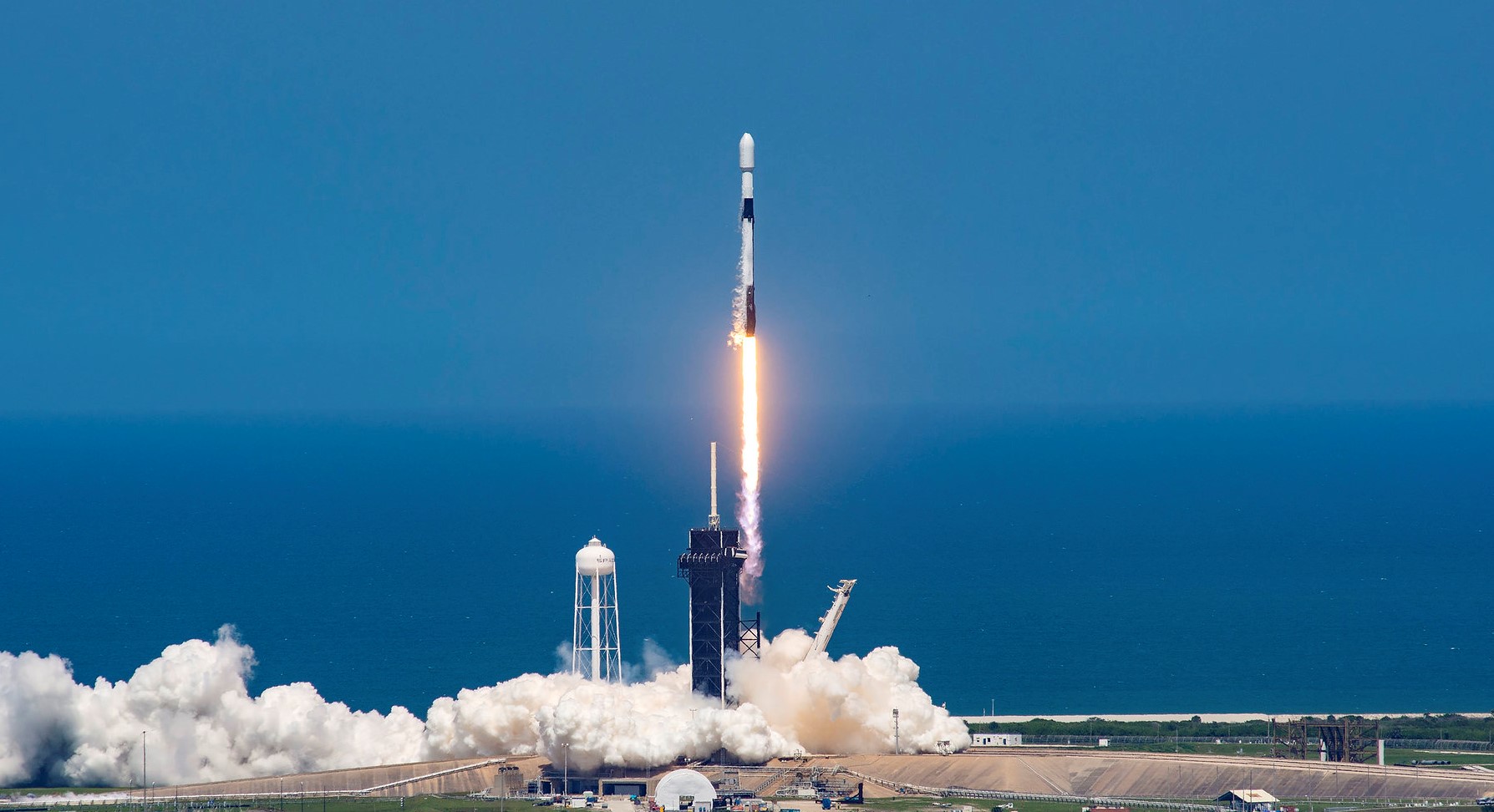
Falcon 9 Block 5 | CHORUS
SpaceX | United States of AmericaCape Canaveral SFS, FL, USA
Status: To Be Determined
Mission:
CHORUS is MDA's next generation Earth observation constellation, consisting of 2 radar satellites (C-band SAR and X-band SAR), in a 53.5 degree 600 km altitude LEO, with the X-band trailing the C-band by 60 minutes. A collaborative multi-sensor constellation, CHORUS will bring together diverse and unique imagery and data sources and provide a new level of near real-time insight and innovative Earth observation services. Operating in a unique mid-inclination orbit, CHORUS will be able to image day or night, regardless of weather conditions, with daily access of up to 95% of the coverage area. From an industry-leading 700km-wide imaging swath down to sub-metre high resolution, CHORUS will provide the most extensive and unrivalled Earth observation radar imaging capacity available on the market in a single mission.
Low Earth Orbit
Unknown | VCLS Demo 2 Mission One
Unknown | UnknownCape Canaveral SFS, FL, USA
Falcon 9 Block 5 | Telesat Lightspeed 6
SpaceX | United States of AmericaCape Canaveral SFS, FL, USA
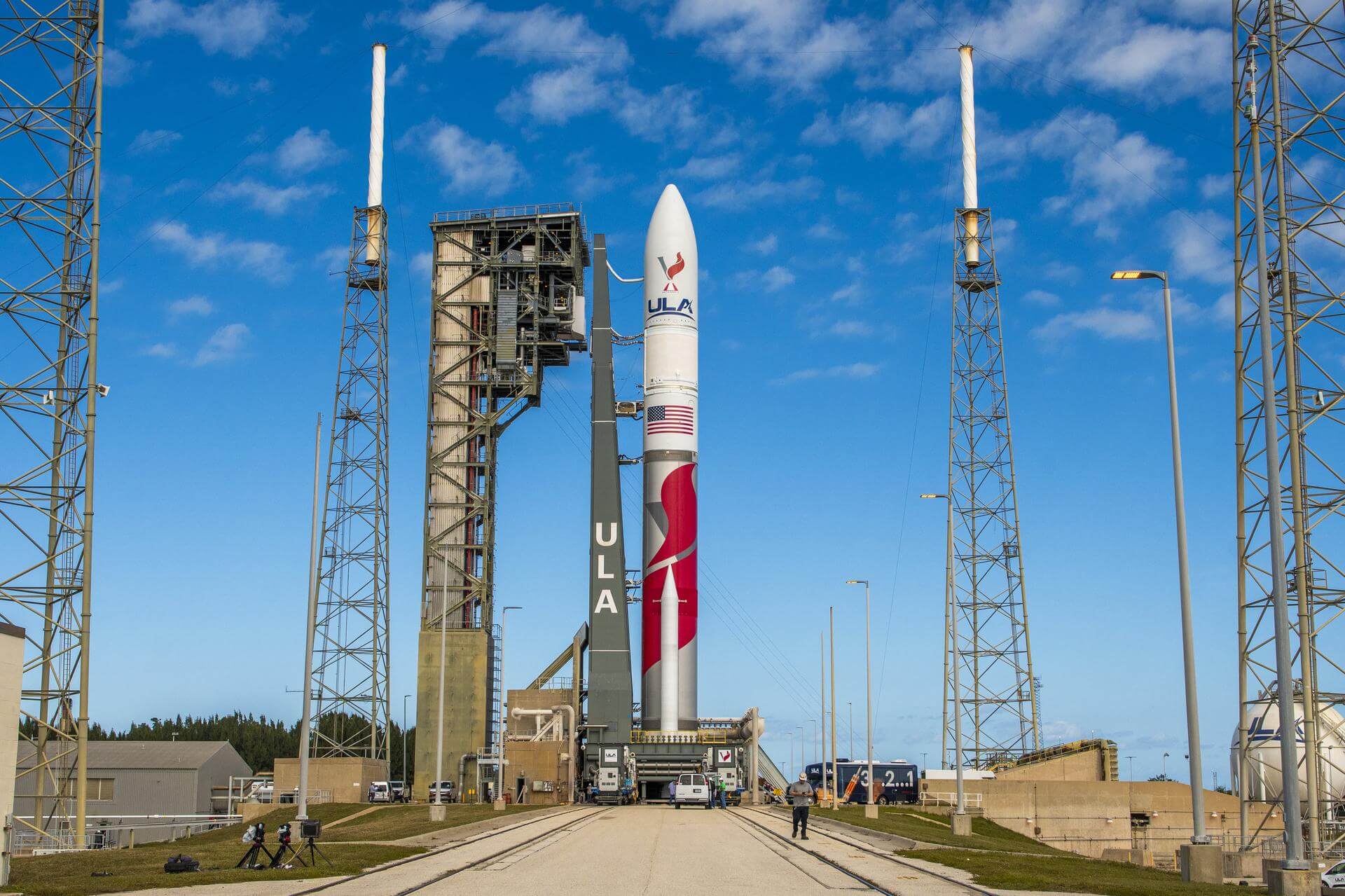
Vulcan | USSF-43
United Launch Alliance | United States of AmericaCape Canaveral SFS, FL, USA
Hyperbola-3 | Demo Flight
i-Space | ChinaWenchang Space Launch Site, People's Republic of China
Vulcan | SILENTBARKER 2/NROL-118
United Launch Alliance | United States of AmericaCape Canaveral SFS, FL, USA
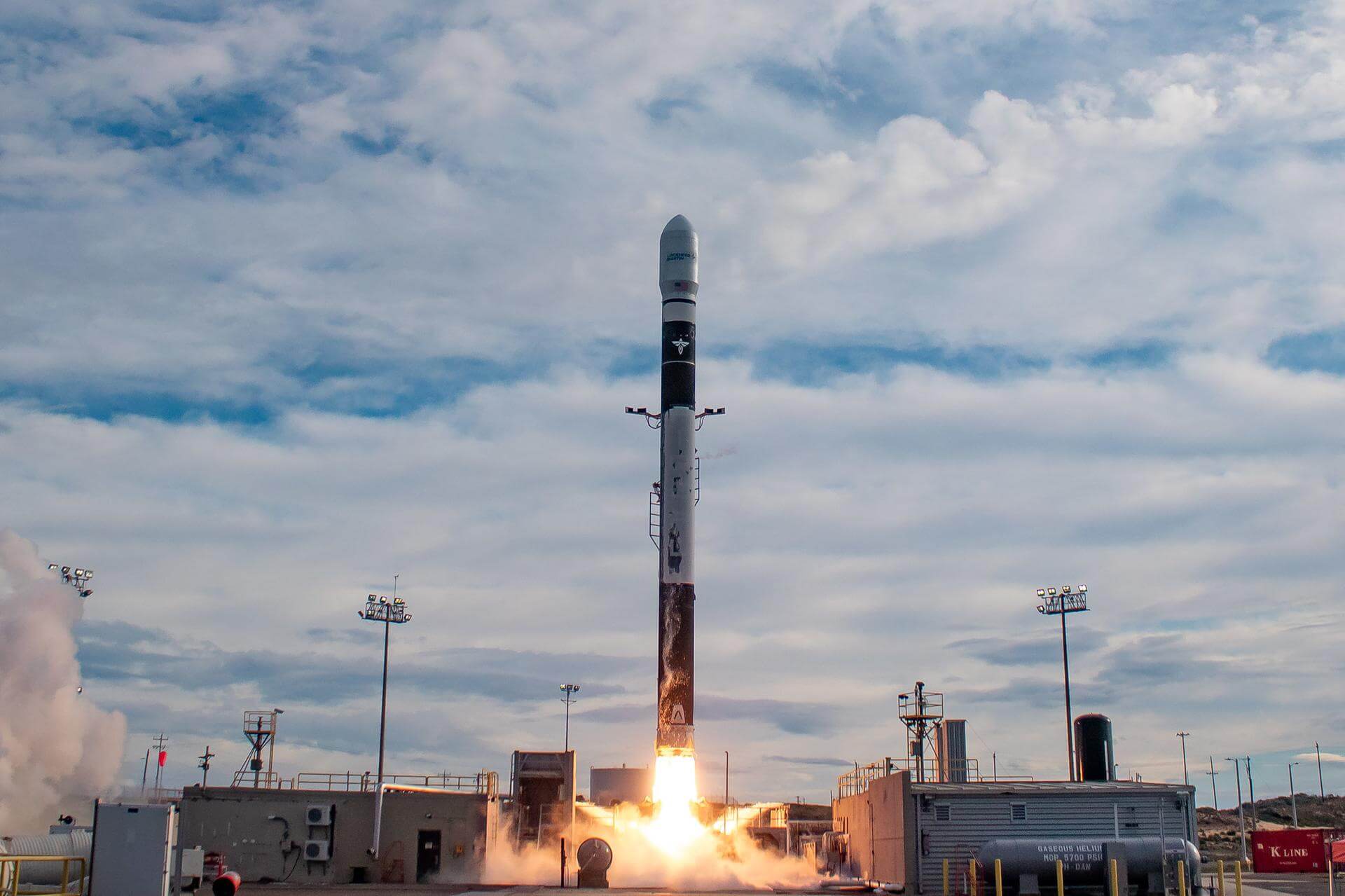
Firefly Alpha Block 2 | ConnectedCosmos Launch 1
Firefly Aerospace | United States of AmericaVandenberg SFB, CA, USA
Status: To Be Determined
Mission:
First of at least four missions carrying 6 satellites for Open Cosmos' secure LEO broadband constellation, designed to provide independent and resilient connectivity infrastructure for Europe and the world using high-priority Ka-band spectrum filings by the Principality of Liechtenstein.
Polar OrbitFalcon 9 Block 5 | SDA Tranche 1 Tracking Layer C
SpaceX | United States of AmericaVandenberg SFB, CA, USA
Status: To Be Determined
Mission:
Tranche 1 Tracking Layer C is one of five missions by the United States Space Force Space Development Agency (SDA) for the Proliferated Warfighter Space Architecture (PWSA) Tranche 1 Tracking Layer constellation, which will provide global indications, warning, tracking, and targeting of advanced missile threats, including hypersonic missile systems.
Polar OrbitVulcan VC4L | Dream Chaser CRS 2 Flight 1
United Launch Alliance | United States of AmericaCape Canaveral SFS, FL, USA
Starship
Starlink Group 31-1 (Starship Flight 14)
Orbital Launch Pad 2 - SpaceX Starbase, TX, USA14th test flight of the two-stage Starship launch vehicle. 3rd flight of Starship V3 and the first Starship flight to deploy satellites (a group of S…
Falcon 9
USSF-385
Space Launch Complex 4E - Vandenberg SFB, CA, USAA classified mission for the United States Space Force. It is possibly a batch of classified LEO satellites based on SpaceX’s Starshield satellite bu…
Electron
Owlright, Owlright, Owlright (StriX Launch 13)
Rocket Lab Launch Complex 1B - Rocket Lab Launch Complex 1, Mahia Peninsula, New ZealandSynthetic aperture radar satellite for Japanese Earth imaging company Synspective.
Long March 6A
Yaogan 40 Group 04
Launch Complex 9A - Taiyuan Satellite Launch Center, People's Republic of China3 Chinese reconnaissance satellites of unknown purposes, officially reported as for "Electromagnetic environment probing".
Long March 8A
SatNet LEO Group 26
Commercial LC-1 - Wenchang Space Launch Site, People's Republic of ChinaA batch of 9 Low Earth Orbit communication satellites for the Chinese state owned SatNet constellation operated by the China Satellite Network Group.…
Kinetica 1
9 satellites
Launch Area 130 - Jiuquan Satellite Launch Center, People's Republic of ChinaShare-ride of 9 commercial Earth observation and technology demonstration satellites to SSO, details TBD.
Falcon 9
Starlink Group 15-27
Space Launch Complex 4E - Vandenberg SFB, CA, USAA batch of 27 satellites for the Starlink mega-constellation - SpaceX's project for space-based Internet communication system.
Long March 2D
PIESAT-2 13-16
Launch Complex 9 - Taiyuan Satellite Launch Center, People's Republic of China4 X-band synthetic-aperture radar Earth observation satellites for the Chinese Earth observation satellite company PIESAT.
Electron
Owl By The Dozen (StriX Launch 12)
Rocket Lab Launch Complex 1B - Rocket Lab Launch Complex 1, Mahia Peninsula, New ZealandSynthetic aperture radar satellite for Japanese Earth imaging company Synspective.
Soyuz 2.1b/Fregat-M
Glonass-K1 No. 20 (?)
43/3 (43L) - Plesetsk Cosmodrome, Russian FederationNote: Satellite serial number and Cosmos designation not confirmed. Glonass-K are the third generation of satellite design for GLONASS satellite n…