Upcoming Spaceflight Launches
Filter by Agency, Locations or Vehicles
Show All Launches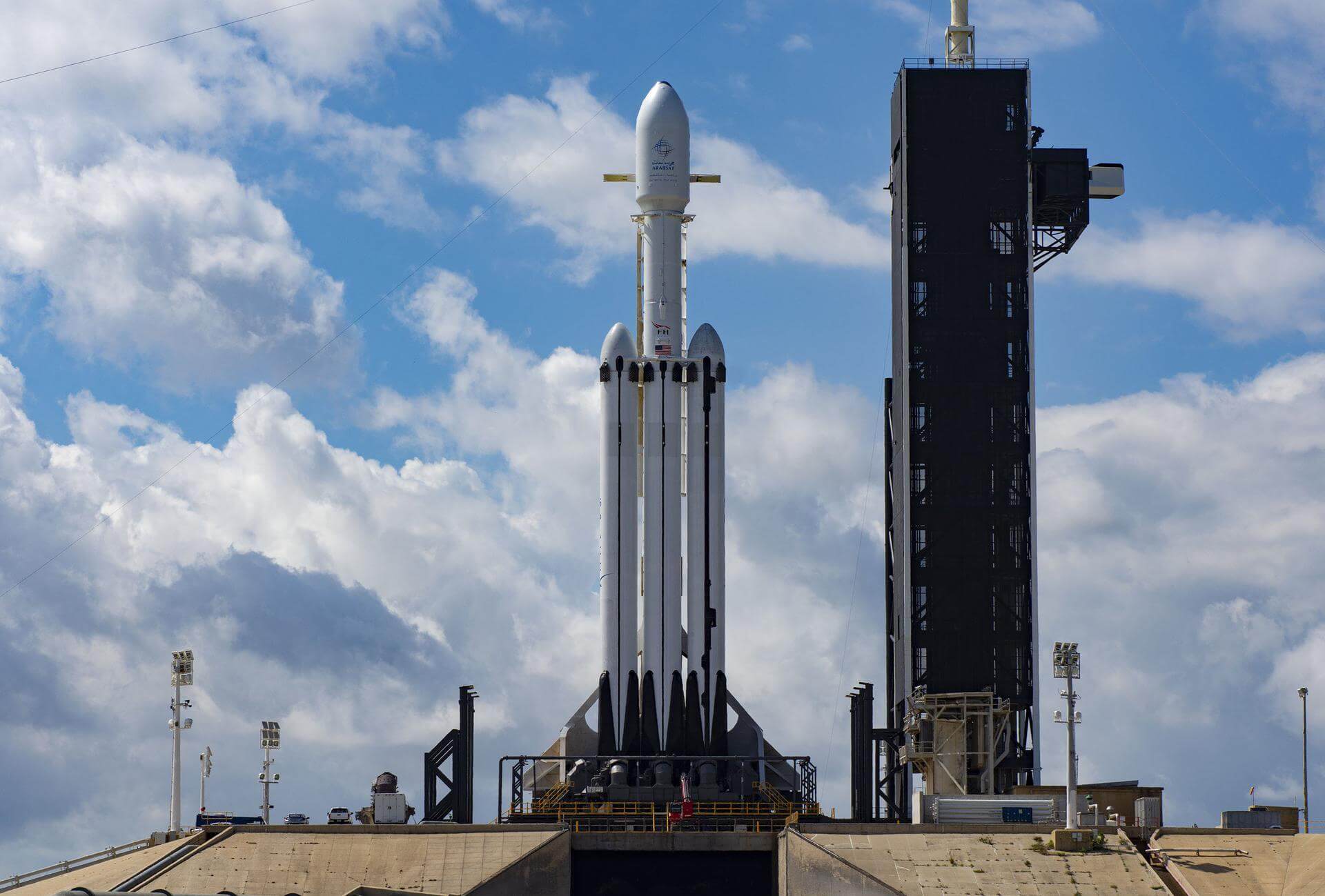
Falcon Heavy | WGS-12 (USSF-206)
SpaceX | United States of AmericaKennedy Space Center, FL, USA

Vulcan VC4S | NROL-88
United Launch Alliance | United States of AmericaCape Canaveral SFS, FL, USA
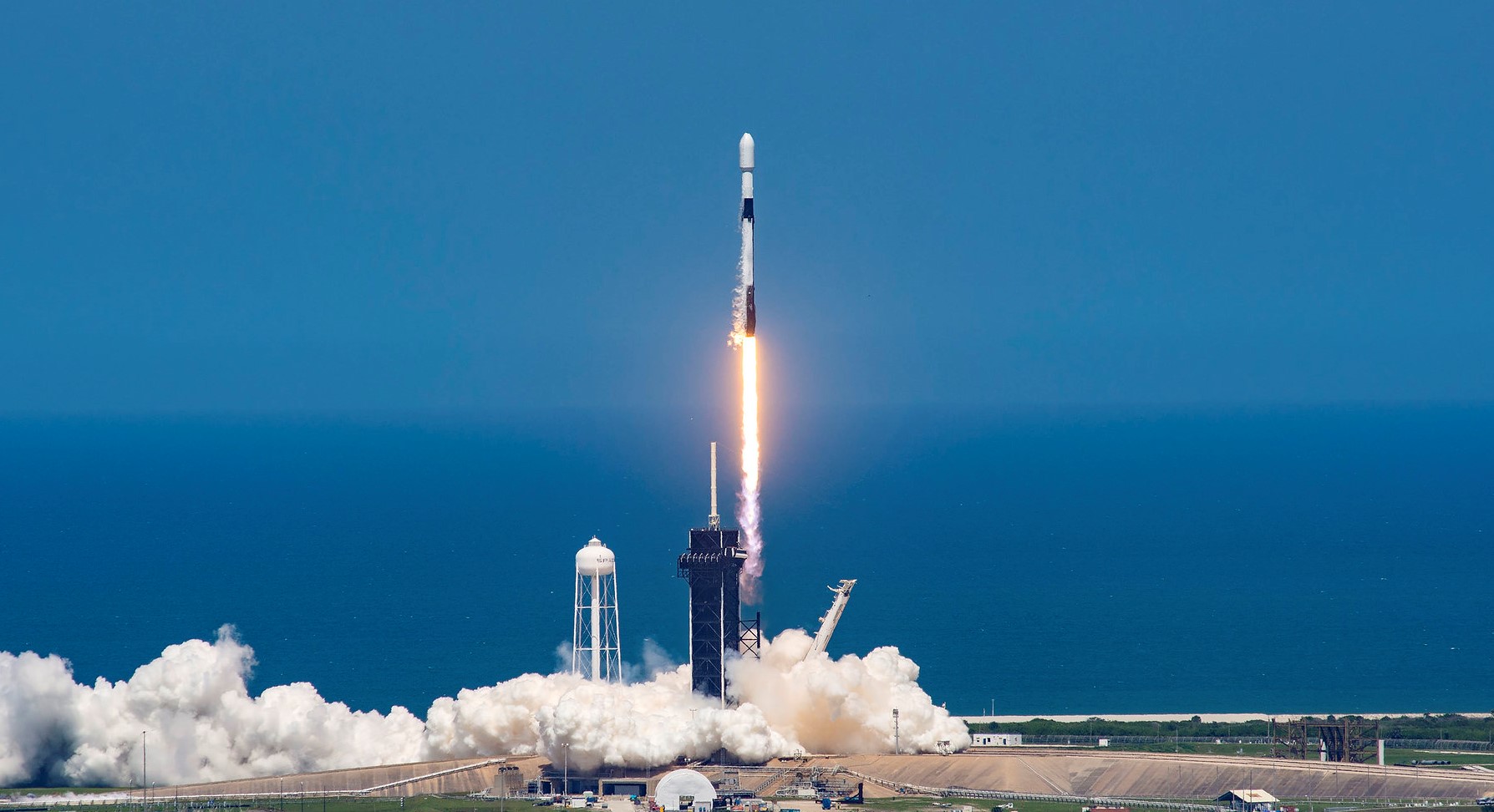
Falcon 9 Block 5 | Trinity
SpaceX | United States of AmericaCape Canaveral SFS, FL, USA
Status: To Be Determined
Mission:
Trinity is a three-spacecraft mission from US satellite manufacturer K2 Space, with each satellite deploying to a different orbital regime to prove out K2 Space’s multi-orbit satellite platform. 2 satellites will be dropped off in LEO, 1 remaining in LEO for a period before raising itself to MEO, while the other will immediately begin climbing to MEO and will aim to complete orbit raising within 90 days. The 3rd satellite will be launched directly into a geostationary transfer orbit.
Geostationary Transfer Orbit
Starship | SpaceX HLS LEO Demo
SpaceX | United States of AmericaKennedy Space Center, FL, USA
Status: To Be Determined
Mission:
The Starship HLS pathfinder spacecraft in support of NASA's Artemis III mission in Low Earth Orbit will be a Version 3 vehicle equipped with a docking mechanism, but with no crew cabin or environmental control systems on board. This Starship HLS will launch after the Artemis III Orion has launched into LEO aboard SLS, and has completed its demonstrations with Blue Origin's Blue Moon lander. Once docked, Orion and Starship will spend about a day connected for checkouts and testing.
Low Earth Orbit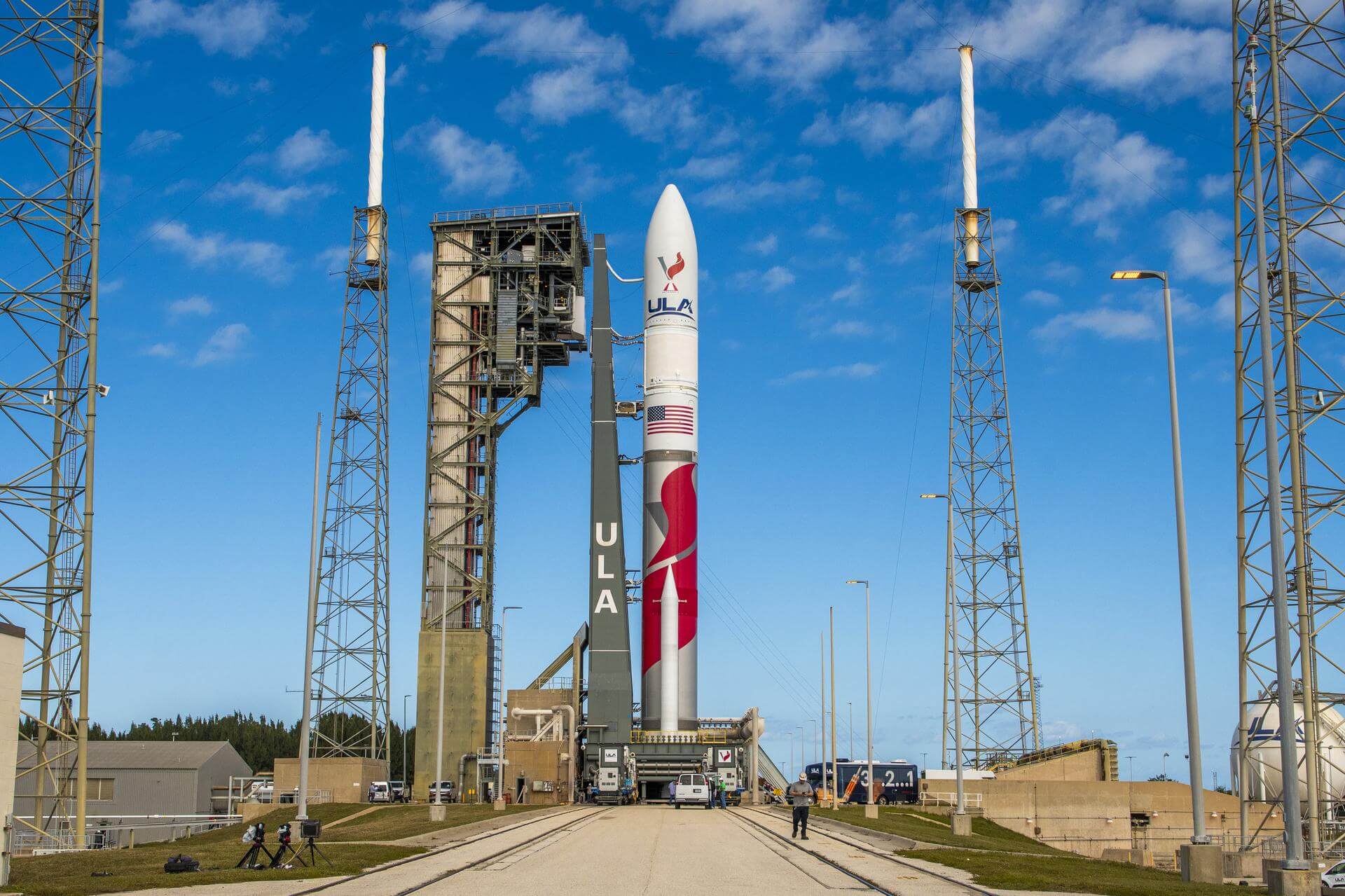
Vulcan | USSF-95
United Launch Alliance | United States of AmericaCape Canaveral SFS, FL, USA
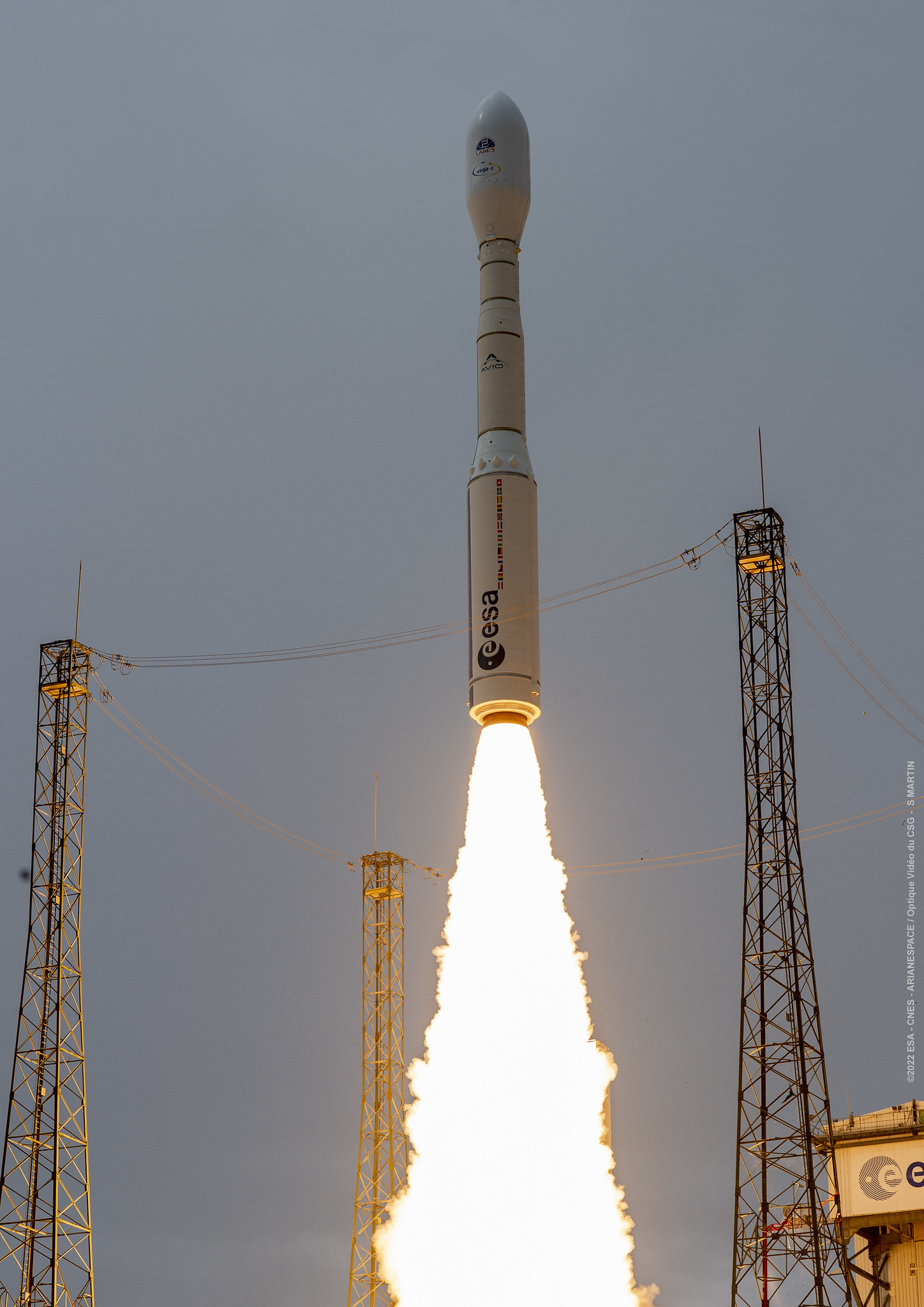
Vega-C | CSG-4
Avio S.p.A | ItalyGuiana Space Centre, French Guiana
Falcon 9 Block 5 | Haven-1 Crew-1
SpaceX | United States of AmericaCape Canaveral SFS, FL, USA
Status: To Be Determined
Mission:
First crewed mission of VAST Space's future commercial space station Haven-1. The crew of four will remain in orbit for 10 days. The crew will include ESA/CNES astronaut Arnaud Prost, as well as potentially ESA/UKSA astronaut John McFall.
Low Earth Orbit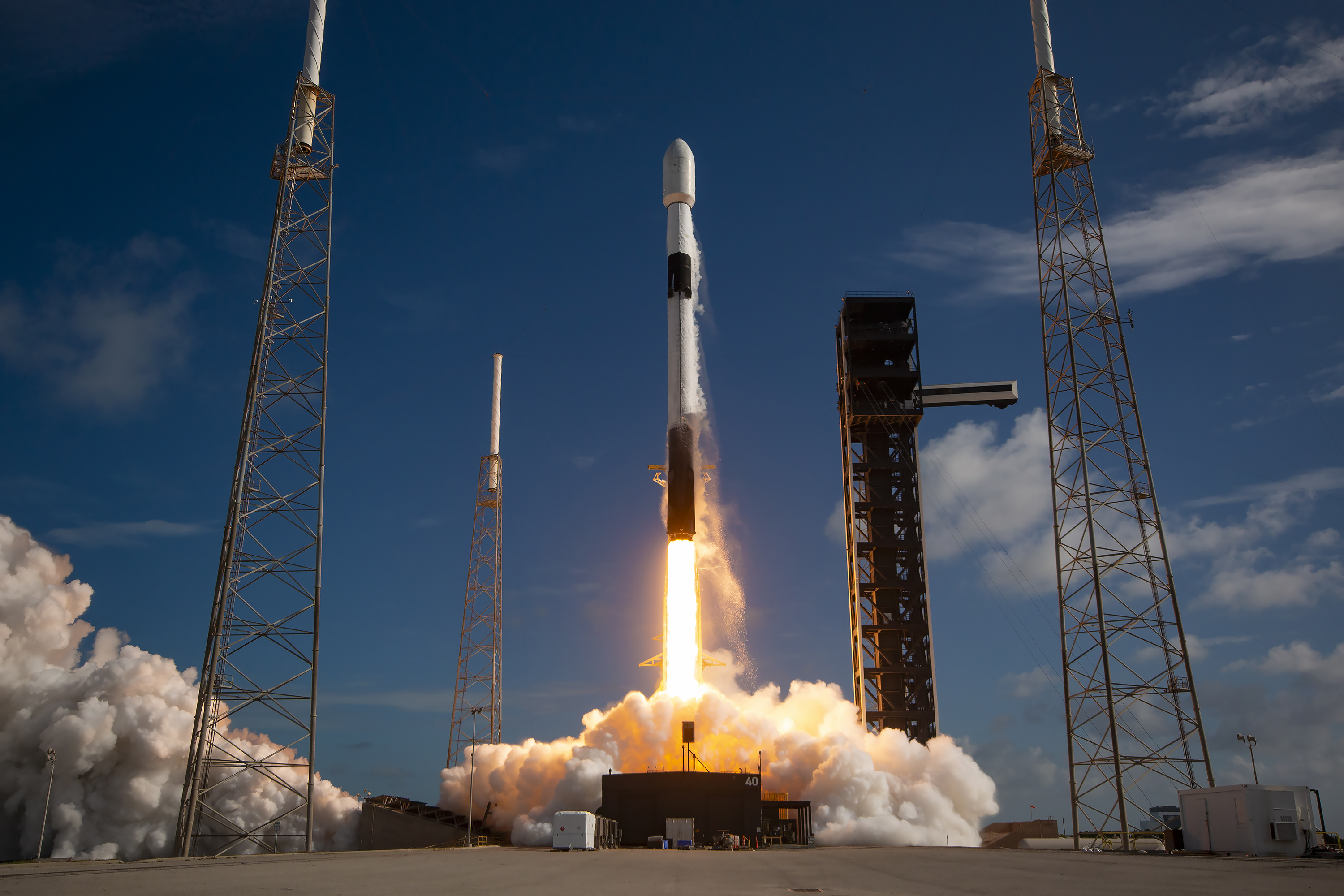
Falcon 9 Block 5 | COSI (Compton Spectrometer and Imager)
SpaceX | United States of AmericaCape Canaveral SFS, FL, USA
Status: To Be Determined
Mission:
Wide-field gamma-ray telescope designed to study energetic phenomena in the Milky Way and beyond, including the creation and destruction of matter and antimatter and the final stages of the lives of stars. The mission is a collaboration between the University of California, Berkeley’s Space Sciences Laboratory, the University of California, San Diego, the Naval Research Laboratory, NASA’s Goddard Space Flight Center, and Northrop Grumman.
Low Earth OrbitStarship
Starlink Group 31-1 (Starship Flight 14)
Orbital Launch Pad 2 - SpaceX Starbase, TX, USA14th test flight of the two-stage Starship launch vehicle. 3rd flight of Starship V3 and the first Starship flight to deploy satellites (a group of S…
Falcon 9
USSF-385
Space Launch Complex 4E - Vandenberg SFB, CA, USAA classified mission for the United States Space Force. It is possibly a batch of classified LEO satellites based on SpaceX’s Starshield satellite bu…
Electron
Owlright, Owlright, Owlright (StriX Launch 13)
Rocket Lab Launch Complex 1B - Rocket Lab Launch Complex 1, Mahia Peninsula, New ZealandSynthetic aperture radar satellite for Japanese Earth imaging company Synspective.
Long March 6A
Yaogan 40 Group 04
Launch Complex 9A - Taiyuan Satellite Launch Center, People's Republic of China3 Chinese reconnaissance satellites of unknown purposes, officially reported as for "Electromagnetic environment probing".
Long March 8A
SatNet LEO Group 26
Commercial LC-1 - Wenchang Space Launch Site, People's Republic of ChinaA batch of 9 Low Earth Orbit communication satellites for the Chinese state owned SatNet constellation operated by the China Satellite Network Group.…
Kinetica 1
9 satellites
Launch Area 130 - Jiuquan Satellite Launch Center, People's Republic of ChinaShare-ride of 9 commercial Earth observation and technology demonstration satellites to SSO, details TBD.
Falcon 9
Starlink Group 15-27
Space Launch Complex 4E - Vandenberg SFB, CA, USAA batch of 27 satellites for the Starlink mega-constellation - SpaceX's project for space-based Internet communication system.
Long March 2D
PIESAT-2 13-16
Launch Complex 9 - Taiyuan Satellite Launch Center, People's Republic of China4 X-band synthetic-aperture radar Earth observation satellites for the Chinese Earth observation satellite company PIESAT.
Electron
Owl By The Dozen (StriX Launch 12)
Rocket Lab Launch Complex 1B - Rocket Lab Launch Complex 1, Mahia Peninsula, New ZealandSynthetic aperture radar satellite for Japanese Earth imaging company Synspective.
Soyuz 2.1b/Fregat-M
Glonass-K1 No. 20 (?)
43/3 (43L) - Plesetsk Cosmodrome, Russian FederationNote: Satellite serial number and Cosmos designation not confirmed. Glonass-K are the third generation of satellite design for GLONASS satellite n…